


Giving Well With Less: Low-Waste Holiday Gifts That Don't Break the Budget
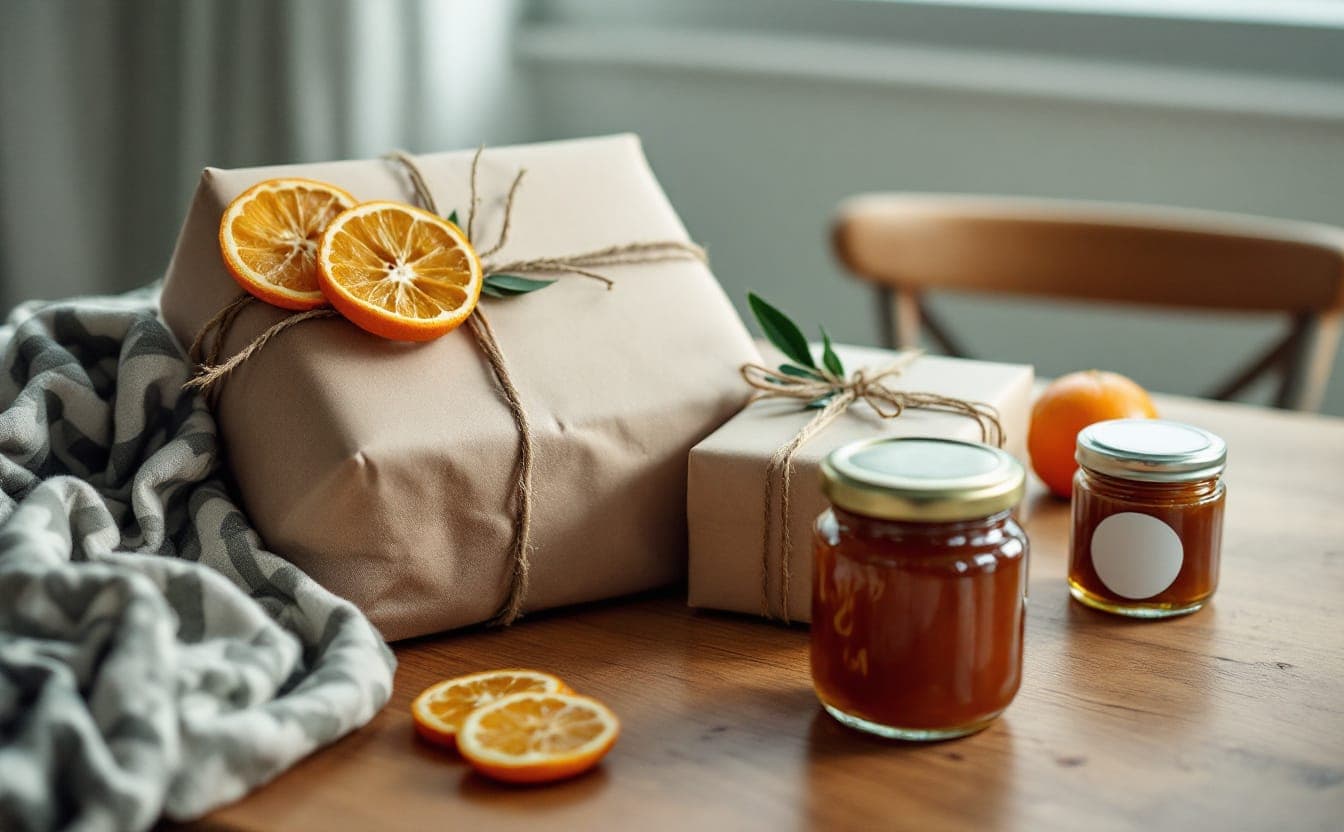
Scrunch a sheet of wrapping paper into a ball in your fist, then open your hand. If it stays crumpled, it's probably plain paper. If it springs back open, it likely has a plastic coating or foil, and many recycling programs won't take it. That little test, which plenty of local recycling programs recommend, says something about the holidays more broadly: a lot of what we buy to celebrate is designed to be used once and thrown away.
None of that means giving less, and nobody should feel guilty about wanting to give. For many families, gifts are how love and gratitude get expressed, and generosity at the holidays is a tradition worth keeping. The goal here is simply to give things people will use and remember, spend less doing it, and fill fewer trash bags in the week after. Pick the ideas that suit your people and leave the rest.
Ideas that tend to land
Experiences and time
- A membership. A family pass to a zoo, museum, botanical garden or aquarium gets used all year. Many museums belong to reciprocal programs that offer discounts or free entry at other institutions, so ask before you buy.
- A state parks pass. Many states sell annual passes for vehicle entry or day use. For someone who likes to get outside, it's a year of trips in one envelope.
- A class. Pottery, cooking, bike repair, a beginner's birding walk, a dance class. Community colleges and parks departments often offer these at modest prices.
- Tickets with a date attached. A concert, a game, a play. Put the date on the calendar when you give the gift, since experience gifts that need to be scheduled later often never happen.
- Your own time. An evening of babysitting, a dinner cooked in their kitchen, help painting a room, a ride to appointments for a month. Write it on a card with a specific offer and follow through.
For kids, a planned outing with you, such as a day at the science museum or an afternoon sledding, can matter more than the fifth toy under the tree.
Secondhand, on purpose
Buying used is not cutting corners. Some of the best gifts are things that have already proven they last.
- Cast iron and kitchenware. Old cast iron pans clean up beautifully and outlast new ones.
- Books. Used bookstores and library sales are full of good copies at a fraction of the cover price. Our reading list on nature writing has plenty of titles that turn up secondhand.
- Board games and puzzles. Count the pieces before you wrap.
- Vintage clothing, jewelry and records. Thrift and consignment shops reward patience.
- Refurbished electronics. Look for sellers that offer a warranty.
Presentation helps. Clean and polish what you buy, and add a short note about why you chose it or what you know about its history. A secondhand gift with a story often means more than a new one.
Some things are worth buying new: car seats, bike helmets and anything else where hidden damage can be dangerous. Our guide to low-waste living on a tight budget explains why.
Food from your kitchen
Homemade food is welcome almost everywhere, and it's eaten rather than stored.
- Jams, pickles and chutneys. If you can them for the shelf, use tested recipes, such as those from the National Center for Home Food Preservation, and follow processing times exactly. Otherwise, make a small batch and label it "keep refrigerated."
- Baked goods and mixes. Cookies, quick breads, granola, spiced nuts, or a jar of dry ingredients for pancakes or cocoa with the recipe tied on.
- Spice blends and infused salts. Inexpensive in bulk and lovely in small jars.
Two cautions. Garlic and fresh herbs stored in oil can grow the bacteria that cause botulism unless kept refrigerated and used quickly, so skip giving homemade infused oils unless you know the safe method. And label every jar with the ingredients, especially nuts, wheat, dairy and eggs, so friends with allergies can eat safely.
Seeds, cuttings and plants
A packet of seeds saved from your own garden, a rooted cutting of a houseplant, or a small pot of herbs costs almost nothing and keeps growing. If you save seeds from traditional varieties, our piece on seed saving among immigrant gardeners has ideas for sharing them.
For people far away
Shipping adds cost, packaging and stress. For relatives in another city, consider buying from a bookstore, bakery or garden center in their town and having them pick it up, or giving a membership to a museum or park near them. A long handwritten letter with printed photos travels in a regular envelope. So does a favorite family recipe on a card, with a plan to cook it together over a video call some evening in January, when the holidays are over and everyone could use something to look forward to.
Wrapping without the trash bag
The cheapest wrapping is the kind you already have.
- Cloth. Scarves, tea towels, bandanas and fabric remnants all wrap gifts, and the cloth becomes part of the present.
- Paper you've saved. Brown paper bags, shipping paper, newspaper, comics pages, old maps and children's drawings.
- Containers. Tins, jars, baskets and boxes that can be used again.
- Ties and decorations. Twine, ribbon saved from past years, sprigs of evergreen, dried orange slices or cinnamon sticks.
Japanese furoshiki cloths have been used for wrapping and carrying for centuries. A simple wrap for a box works with any square of fabric:
- Lay the cloth flat, turned so one corner points toward you, and set the box in the center.
- Fold the near corner over the box and tuck it under.
- Fold the far corner over the box to cover it.
- Bring the left and right corners up over the top.
- Tie them in a square knot, and tuck in any loose edges.
Skip glitter, foil and plastic ribbon if you can. They are the parts most likely to keep paper out of the recycling bin.
Gift swaps and drawings
Large families and workplaces can easily end up buying many small gifts that nobody needs. A few traditions shrink the pile while keeping the fun.
Draw names. Everyone gives one thoughtful gift instead of a dozen token ones. Set a spending limit that works for the person with the tightest budget.
Try a secondhand swap. A white elephant exchange where every gift has to come from a thrift shop or from someone's own shelves tends to produce more laughter than a store-bought one.
Hold a book exchange. In Iceland, giving books on Christmas Eve and spending the night reading is a beloved tradition. A family book swap borrows the idea: each person brings a book they loved and goes home with someone else's.
Agree on rules for the kids. Some families use a simple formula, such as one thing they want, one thing they need, one thing to wear and one thing to read.
Regifting, politely
Regifting is fine, and it keeps good things in use. A few rules keep it gracious.
- Regift only things that are new and unused, and that the recipient will actually want.
- Never regift within the same circle of friends or family as the original giver.
- Remove old tags, and check inside boxes and books for cards or notes.
- Don't regift handmade or personalized items.
- If someone asks directly, be honest. Most people don't mind.
Donating unwanted gifts counts as passing them along, too.
What to skip
There are gifts most of us can pass on without regret: novelty gadgets that break by January, stocking stuffers bought in bulk to fill space, and "eco" products that duplicate what someone already has, such as another reusable tote or water bottle. Gift cards are fine when the recipient will actually use them; for a store they never visit, they often sit in a drawer.
Talking with family about changing traditions
Changing how a family gives can feel touchy. Bring it up early, before shopping starts, and frame it around time together rather than rules. A few ways to say it:
- "Money's tight for a lot of us. Could we draw names instead of everyone buying for everyone?"
- "I'd love to do something together instead of exchanging so much stuff. Want to plan a day out in January?"
- "The kids have so many toys already. Could we each give them one thing and put the rest toward a family trip?"
Expect some resistance, and respect traditions that matter deeply to someone. A grandparent who loves to shop for grandchildren may not want to stop, and that's their gift to give. Change what you can and keep what brings joy. Years from now, the gift people bring up is usually the afternoon you spent together, or the jar of jam with your handwriting on the label.
Next: try the Compost Calculator or browse the full Pack list.