

Conferences and Gatherings
- Home
- Conferences and Gatherings
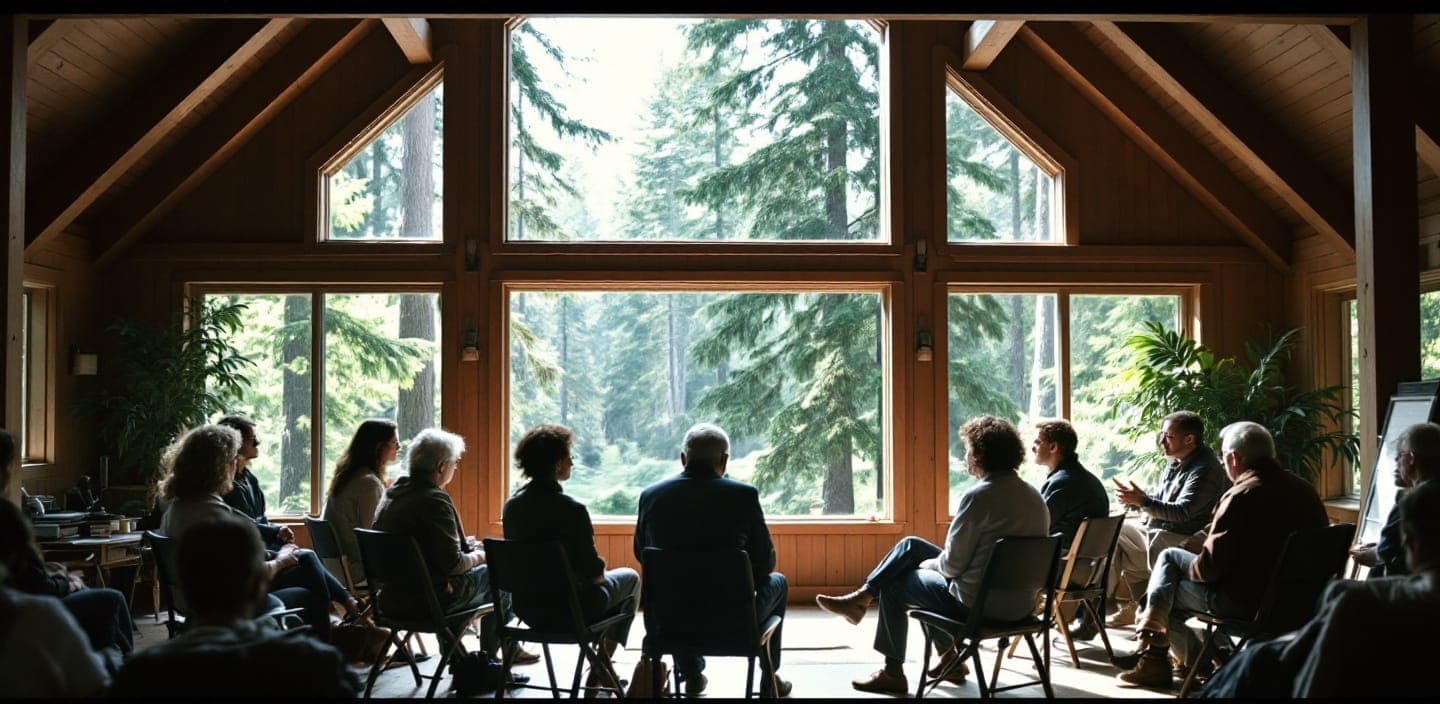
In October 1991, grassroots activists from across the country met in Washington, DC, for the First National People of Color Environmental Leadership Summit, and left with a seventeen-point statement that still defines environmental justice. Few gatherings since have mattered as much, but conferences remain one of the main places where people in this field find each other, trade methods and argue about priorities. This page describes the kinds of events worth knowing about, a little of their history, how to choose one, how to pay for it, and how to host a gathering that people from many backgrounds can actually attend. We do not list dates; check each organizer's website for current schedules.
Kinds of gatherings
Environmental justice conferences
National and regional environmental justice gatherings are usually organized by networks of community groups, universities or research centers. They tend to mix policy sessions with community tours and strategy meetings, and the most useful conversations often happen in the hallway. The HBCU Climate Change Conference, organized by the Deep South Center for Environmental Justice, is one example that brings students from historically Black colleges and universities together with community leaders.
Land conservation gatherings
The Land Trust Alliance's annual Rally is the largest national meeting for land trust staff, board members and volunteers. Alongside sessions on easements, stewardship and fundraising, its programs have included sessions on community conservation and partnerships with tribes. Many states also have a land trust association that holds its own smaller conference, which can be a better place to meet potential local partners.
Journalism and communications
The Society of Environmental Journalists holds an annual conference that moves between cities and usually includes field trips to places in the news, which can mean polluted neighborhoods as well as contested public lands. It is useful for communications staff as well as reporters, and a good place to learn how environmental justice stories get told and mistold.
Parks, recreation and education
The National Recreation and Park Association's annual conference draws park and recreation professionals from city and county agencies, the people who decide where parks go and who they serve. The North American Association for Environmental Education holds an annual conference for educators. For scientists, the Ecological Society of America's annual meeting includes students supported through the society's SEEDS program, which works to diversify ecology.
Outdoor and youth gatherings
Organizations that run outdoor programs for young people or for communities of color often hold their own leader trainings, retreats and summits. Some are open only to volunteers or members; others welcome partners. These smaller gatherings can be the best place to meet the people actually leading trips.
Regional summits
One-day meetings convened by a regional coalition, a state agency or a foundation can be more useful than any national event, because everyone in the room works in the same watershed or city. If none exists in your region, see the hosting advice below.
A short history
The 1991 summit in Washington was convened by the United Church of Christ's Commission for Racial Justice, which had published Toxic Wastes and Race in the United States four years earlier. Its Principles of Environmental Justice gave the movement a shared statement of values. A second National People of Color Environmental Leadership Summit followed in Washington in October 2002, taking stock of a decade of organizing.
In October 2005, more than 90 leaders from environmental justice, public health, conservation, faith-based and community organizations met at Wakefield, Virginia, for Summit 2005: Diverse Partners for Environmental Progress. Its purpose was to build working relationships across racial and organizational lines, including between grassroots justice groups and mainstream conservation organizations. A follow-up summit took place in Charlotte, North Carolina, in October 2007. Our explainer on the 2005 summit describes what it set out to do and what came of it, and our reports page covers the documents these gatherings produced.
Choosing an event
Conference budgets are small and time is precious, so it helps to be clear about why you are going.
| If you want to... | Look for... |
|---|---|
| Learn practical methods | Workshops led by practitioners, not only panels |
| Meet local partners | State or regional events over national ones |
| Find a job or recruit | Career fairs, student programs, affinity receptions |
| Hear from communities directly | Sessions led by community members, and field tours |
| Present your own work | Calls for proposals that pay or waive fees for presenters |
Before registering, read the program. Who is speaking, and are community leaders on the main stage or only in breakout rooms? Is there a code of conduct, and does it say how complaints are handled? Is the venue accessible, and is there a virtual option? A conference that cannot answer these questions on its website will probably not answer them well in person either.
Scholarships and fee waivers
Cost keeps many people away, especially staff of small groups, students and community volunteers. Many conferences offer some combination of scholarships, reduced rates for students and small organizations, fee waivers for presenters, and free registration in exchange for volunteering. Several of the national events above have offered scholarships in past years; check each registration page well ahead of time, since deadlines often fall months before the event.
A few tips for applicants. Apply early, and be specific about what you will do with what you learn. If your organization cannot pay, ask a larger partner or a local funder; some will cover a seat for a community partner if asked directly. If you work at a larger organization, consider sponsoring a scholarship for a community partner instead of sending one more staff member.
Hosting an inclusive event
Most of what makes an event inclusive is decided long before anyone arrives.
Accessibility. Choose a step-free venue with accessible restrooms and seating. Use microphones every time, caption sessions, and offer sign language interpretation on request. Share slides in advance, provide a quiet room, and ask every registrant what they need rather than waiting for them to raise it.
Childcare. Offer on-site childcare from a licensed provider or a stipend to cover care at home. Parents of young children, often women, are among the first to drop out of conference life, and this is one of the cheapest ways to keep them.
Paying community speakers. Pay honoraria to community leaders on the same terms as academic or professional speakers, and pay promptly. Cover travel up front rather than by reimbursement, since waiting weeks for a check is a real burden for someone without an employer behind them.
Venue. Pick a place people can reach by public transit, ideally in or near the communities you want to hear from. A rural retreat center can build trust over several days, but it also excludes anyone who cannot take time away.
Food. Ask about dietary needs and plan for them properly: vegetarian, vegan, halal, kosher, gluten-free. Hire caterers from the host community where possible, and make sure there is enough food for people who will not get another meal that day.
Timing. Avoid major religious holidays and school breaks. Remember that weekday daytime sessions exclude hourly workers, and that farmworkers, fishers and many tribal communities have busy seasons. Offer interpretation into the languages your participants speak, and a sliding-scale fee.
Questions we hear
Are virtual events worth it? For learning, often yes; for building relationships, less so. A hybrid event works best when remote participants can ask questions and join breakout discussions rather than only watch.
How do I make the case to my employer? Name two or three sessions tied to your current work, and offer to report back to colleagues. Employers are more likely to pay when they can see a return.
I'm often the only person of color on my team. Should I go to an affinity gathering? Many people find these the most valuable events of the year, because they can talk about the work without explaining themselves first. Your organization should treat attendance as professional development, not a favor.
What should I do afterward? Follow up with three people within a week. Ideas from a conference fade quickly unless someone turns them into a meeting or a small project. For models worth trying, see our page on initiatives.
Gear links may earn us a commission. As an Amazon Associate I earn from qualifying purchases.
Pack list
- Lepro rechargeable headlamp about 2.7 ozCharges by USB and has a red mode that keeps your night vision.$18.99 Amazon price, as of Oct 22, 2026, 4:26 PM UTCSee on Amazon
- Adventure Medical Kits Ultralight/Watertight .5 about 3.5 ozTrail first aid for one or two people in a waterproof pouch.$31.95 Amazon price, as of Oct 22, 2026, 4:27 PM UTCSee on Amazon
- Nalgene 32 oz wide-mouth bottle about 6 ozClose to indestructible, easy to fill from a filter pouch, marked in ounces and milliliters.$16.05 Amazon price, as of Oct 22, 2026, 4:26 PM UTCSee on Amazon
Product prices and availability are accurate as of the date/time indicated and are subject to change.