Beyond Thoreau and Muir: A Reading List for a Wider Outdoors

Ask for a starter list of American nature writing and you will usually get the same three names. Henry David Thoreau at Walden Pond in the 1840s. John Muir in the Sierra Nevada. Edward Abbey in the canyon country of southern Utah. They are worth reading, and they have shaped how generations of hikers, rangers and conservationists think about wild places. They also share a vantage point: men who could wander, write about solitude, and assume the land was theirs to roam.
The books below widen that view. Some are memoirs, some are poetry, some are history or research, and a few are practical guides. All are real books by the authors named, with their original publication years. The notes are short on purpose, enough to help you choose rather than to stand in for the reading. Most of these writers also appear in our profiles of influential figures, and the more technical titles on diversifying environmental organizations are collected on our resources page.
Start here: memoir and personal essay
J. Drew Lanham, The Home Place: Memoirs of a Colored Man's Love Affair with Nature (2016). Lanham is a wildlife ecologist and birder who teaches at Clemson University, and this memoir moves between his family's land in Edgefield County, South Carolina, and his life as a scientist. It is warm and often funny, and it is frank about what it means to be a Black man with binoculars in the rural South. Suits: birders, readers who want a first book on this list, anyone who grew up on or near family land.
Lauret Savoy, Trace: Memory, History, Race, and the American Landscape (2015). Savoy is a geologist who teaches at Mount Holyoke College and traces her mixed African, European and Native American ancestry across the continent. She reads landscapes the way a geologist reads rock layers, looking for what was laid down and what was erased, including the names and people missing from maps and park signs. Suits: readers who like history and place, park interpreters, anyone who has wondered who a mountain was named after.
Aimee Nezhukumatathil, World of Wonders: In Praise of Fireflies, Whale Sharks, and Other Astonishments (2020). A poet writes short essays, each built around a plant or animal, threaded with memories of growing up as the daughter of immigrant parents in several very different parts of the United States. It is joyful without being naive, and it shows how wonder can be a way of belonging somewhere new. Suits: busy readers, teenagers, book clubs, people who want something gentle to read before bed.
Camille T. Dungy, Soil: The Story of a Black Mother's Garden (2023). Dungy, a poet, spent years turning her yard in Colorado into a garden of native plants. The book uses that project to think about motherhood, race in a mostly white town, pesticides, lawns, and who gets to decide what a respectable yard looks like. Suits: gardeners, parents, readers interested in native plants and the politics of the suburbs.
bell hooks, Belonging: A Culture of Place (2009). The cultural critic returns to her home state of Kentucky in these essays and writes about the hills, small farming, and the ties between Black Southerners and the land that were broken by migration and racism. It is a good counterweight to the idea that rural places belong to one kind of person. Suits: readers who already know hooks's other work, anyone thinking about rural Black history or about going home.
Land, plants and Indigenous knowledge
Robin Wall Kimmerer, Braiding Sweetgrass: Indigenous Wisdom, Scientific Knowledge, and the Teachings of Plants (2013). Kimmerer is a botanist and a member of the Citizen Potawatomi Nation. Her essays bring together plant science and Indigenous teachings about reciprocity and gratitude, and they ask what we owe the land in return for what it gives. The book found a huge readership years after it first came out, mostly by word of mouth. Suits: almost anyone, though especially educators, gardeners, and scientists who feel something is missing from their training.
Robin Wall Kimmerer, Gathering Moss: A Natural and Cultural History of Mosses (2003). Her earlier, quieter book, about plants most people step on without noticing. It teaches close looking, and it shows the same blend of field science and Indigenous perspective in a smaller frame. Suits: naturalists, people who loved Braiding Sweetgrass and want more, anyone who hikes in wet forests.
Dina Gilio-Whitaker, As Long as Grass Grows: The Indigenous Fight for Environmental Justice, from Colonization to Standing Rock (2019). Gilio-Whitaker, a member of the Colville Confederated Tribes, argues that environmental justice looks different from a Native perspective because it rests on land, treaties and sovereignty. She covers centuries of history and ends with the protests against the Dakota Access Pipeline. Suits: environmental justice advocates, staff at conservation groups working near tribal lands, students.
Mark David Spence, Dispossessing the Wilderness: Indian Removal and the Making of the National Parks (1999). A history of how the idea of untouched wilderness was created, in part, by removing Native people from places like Yellowstone, Yosemite and Glacier. It is scholarly but readable, and it changes how you see a park entrance sign. Suits: park staff and volunteers, anyone who teaches the history of conservation.
Winona LaDuke, All Our Relations: Native Struggles for Land and Life (1999). The Anishinaabe activist and writer profiles Native communities across North America fighting over land, water, wildlife and toxic contamination. It reads as a set of case studies, and many of the struggles it describes are still going on. Suits: organizers, readers who want specific stories rather than theory.
Before you go
 Gathering Moss, by Robin Wall Kimmerer$15.65 Amazon price, as of Oct 22, 2026, 4:26 PM UTCSee on Amazon
 The Color of Law, by Richard Rothstein$8.54 Amazon price, as of Oct 22, 2026, 4:26 PM UTCSee on Amazon
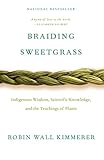 Braiding Sweetgrass, by Robin Wall Kimmerer$14.30 Amazon price, as of Oct 22, 2026, 4:26 PM UTCSee on Amazon
Product prices and availability are accurate as of the date/time indicated and are subject to change.
Gear links may earn us a commission. As an Amazon Associate I earn from qualifying purchases.
Poetry and collections
Camille T. Dungy, editor, Black Nature: Four Centuries of African American Nature Poetry (2009). The first major anthology of its kind. It makes a quiet argument through sheer volume: Black poets have been writing about fields, rivers, birds and storms for as long as there has been American poetry, often with the history of slavery and labor close beneath the surface. Suits: poetry readers, teachers building a unit on nature writing, anyone who wants to dip in a few pages at a time.
Alison Hawthorne Deming and Lauret E. Savoy, editors, The Colors of Nature: Culture, Identity, and the Natural World (2002). An essay collection that was ahead of its time, bringing together writers of many backgrounds on how culture and identity shape the way people experience the natural world. Useful as a sampler: if one essay grabs you, follow that writer. Suits: reading groups, instructors, readers who want range before depth.
Ayana Elizabeth Johnson and Katharine K. Wilkinson, editors, All We Can Save: Truth, Courage, and Solutions for the Climate Crisis (2020). Essays and poems by women working on climate in science, law, farming, journalism, policy and organizing. It is less about wild places than about the work of protecting a livable world, and many readers come away with ideas for their own role. Suits: climate-anxious readers, young professionals, anyone starting a workplace book group.
Joy, food and getting outside
Rue Mapp, Nature Swagger: Stories and Visions of Black Joy in the Outdoors (2022). Mapp founded Outdoor Afro, and her book is a visual celebration of Black people hiking, fishing, gardening, swimming and resting outdoors, built from photographs, short essays and interviews. It is the most purely joyful book on this list. Suits: coffee tables, gift giving, outdoor groups looking for imagery that reflects their members.
Leah Penniman, Farming While Black: Soul Fire Farm's Practical Guide to Liberation on the Land (2018). Part manual, part history. Penniman, who co-founded Soul Fire Farm in upstate New York, covers soil, seeds, livestock and marketing alongside the long and often hidden history of Black farmers and land loss in the United States. Suits: aspiring farmers, community garden organizers, food justice groups.
Tiya Miles, Wild Girls: How the Outdoors Shaped the Women Who Challenged a Nation (2023). A historian looks at American women of different backgrounds whose time outside as girls helped form the independence they later showed in public life. It is short, and it makes a good case for unstructured outdoor time for girls today. Suits: educators, parents of daughters, readers who enjoy history told through lives.
The history and the evidence
Carolyn Finney, Black Faces, White Spaces: Reimagining the Relationship of African Americans to the Great Outdoors (2014). Finney, a geographer, examines how slavery, segregation, media images and the environmental movement itself shaped the idea that the outdoors is white space. It is grounded in research and interviews, and it is often the first book recommended to organizations starting to talk seriously about inclusion. Suits: staff and board members at conservation groups, outdoor brands, park agencies.
Dorceta E. Taylor, The Rise of the American Conservation Movement: Power, Privilege, and Environmental Protection (2016). A detailed history of the movement's early decades, showing how class, race and gender shaped who founded parks and clubs, whose landscapes were protected, and whose were not. It is long and thorough, more a reference than a weekend read. Suits: researchers, students, leaders who want to understand why their organization looks the way it does.
Robert D. Bullard, Dumping in Dixie: Race, Class, and Environmental Quality (1990). One of the founding books of the environmental justice movement. Bullard documents Black communities in the South fighting landfills, incinerators and polluting plants, and shows that race shaped where hazards were placed, alongside and apart from income. Some of the data are dated; the argument holds. Suits: anyone working on pollution, public health or siting decisions, and anyone who thinks environmentalism begins and ends with wilderness.
Laura Pulido, Environmentalism and Economic Justice: Two Chicano Struggles in the Southwest (1996). Pulido compares the United Farm Workers' campaign against pesticides with a sheep-grazing cooperative in northern New Mexico, and uses them to show how working-class Latino communities have practiced environmentalism tied to jobs, land and survival. Suits: readers interested in labor and the environment, organizers in the Southwest, graduate students.
Ways to use the list
A few suggestions from the practical side:
- Pair a classic with a counterpoint. Read a chapter of Muir on Yosemite alongside Spence's chapter on the same valley. Read Walden next to Lanham. The pairing makes both books more interesting.
- Mix forms in a group. A staff book club that starts with World of Wonders, moves to Black Faces, White Spaces, and ends with Black Nature will hold more people than three history books in a row.
- Use your library. Most of these titles are in public library systems, and WorldCat will show which libraries near you hold a copy.
- Keep going. Each book cites others. Follow the footnotes and acknowledgments and the list will grow on its own.
If you are reading your way into these questions for the first time, start with Lanham or Nezhukumatathil for pleasure and Finney for framing, then go wherever your curiosity leads. For more on the people and places behind these books, browse our stories.
Gear links may earn us a commission. As an Amazon Associate I earn from qualifying purchases.
Pack list: books to carry
- The Color of Law, by Richard RothsteinHow public policy segregated American neighborhoods, the backdrop to many of today's heat and pollution maps.$8.54 Amazon price, as of Oct 22, 2026, 4:26 PM UTCSee on Amazon
- Braiding Sweetgrass, by Robin Wall KimmererA botanist and Potawatomi writer on what plants teach about reciprocity; the book many readers start with.$14.30 Amazon price, as of Oct 22, 2026, 4:26 PM UTCSee on Amazon
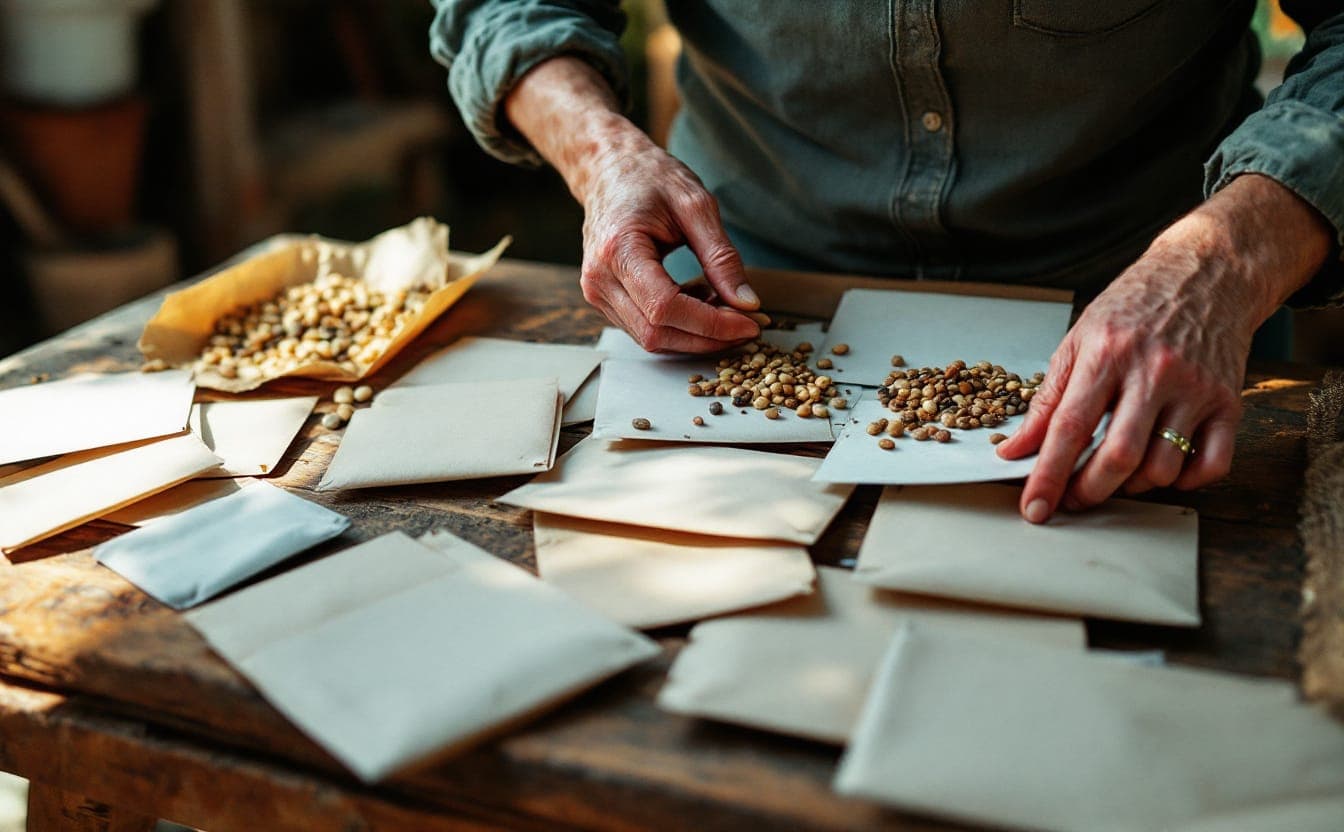
- The Seed Keeper, by Diane WilsonA novel about a Dakota family, its seeds and the women who kept them through generations.$10.30 Amazon price, as of Oct 22, 2026, 4:26 PM UTCSee on Amazon
Product prices and availability are accurate as of the date/time indicated and are subject to change.
Next: browse the full Pack list.