


Weatherization Help, Explained: Questions From Renters and Homeowners
On a windy November evening, hold the back of your hand near an electrical outlet on an outside wall. If you feel a thin stream of cold air, you've found one of the small leaks that weatherization crews spend their days sealing. Add up dozens of them, around outlets, pipes, attic hatches, windows and the gap where the house meets its foundation, and an older home can lose a surprising amount of heat through holes you can't see.
Weatherization is the unglamorous work of fixing those leaks, adding insulation and making sure heating equipment runs safely. It lowers bills, makes homes more comfortable and, done right, makes them healthier. Free and subsidized help exists in every state, but it is scattered across agencies and utilities, and many of the households that qualify never hear about it. These are the questions people ask most often.
The basics
What does weatherization actually include?
A typical job starts with an energy audit. An auditor uses a blower door, a powerful fan fitted into an exterior doorway, to depressurize the house and measure how leaky it is, often with an infrared camera to find cold spots. Based on the results, crews may:
- Seal air leaks in the attic, basement and around pipes, wires and chimneys
- Add insulation to attics, walls, floors and crawl spaces
- Seal and insulate heating ducts
- Tune up, repair or replace an unsafe furnace or boiler
- Insulate water heaters and hot water pipes
- Install carbon monoxide and smoke alarms
- Fix moisture problems and add ventilation where needed
Isn't it mostly about new windows?
Usually not. Window replacement is expensive compared with the energy it saves, so most programs treat it as a last resort. Sealing the attic and adding insulation tend to deliver far more comfort per dollar. Weatherstripping, caulk and storm windows can help older windows a lot.
Does the order of the work matter?
Yes. Air sealing comes before insulation, because insulation laid over leaky gaps doesn't stop the air moving through them. Safety checks come before and after. Making a house tighter changes how air moves through it, which can affect how gas furnaces, water heaters and stoves vent their exhaust. Good programs test combustion appliances to make sure exhaust is leaving the house and not backing up into it.
Where help comes from
Who runs free weatherization programs?
The longest-running source is the US Department of Energy's Weatherization Assistance Program, created in 1976. Money flows from the federal government to states, which contract with local agencies, often community action agencies, to do the work. Eligibility is based on household income, usually set as a multiple of federal poverty guidelines or a share of state median income, and the rules vary by state. In many states, households receiving certain public benefits qualify automatically.
Federal funding for energy assistance and weatherization went through major changes in 2025, and the picture differs from state to state. Your state's weatherization office or energy office will know what is available now and how long the waiting list is.
Who gets priority, and how long is the wait?
Programs that use federal weatherization money generally give priority to households with older adults, people with disabilities and young children, and to households with high energy bills relative to income. Even so, waits of months are common, and some agencies open applications only at certain times of year. Apply as early as you can, ask where you are on the list, and check back. If your heating system stops working or becomes unsafe while you wait, say so, since some agencies handle emergencies separately.
What about my utility?
Many gas and electric utilities run efficiency programs funded by small charges on customer bills. These commonly include low-cost or free home energy assessments, rebates for insulation and air sealing, and income-qualified programs that may cover the full cost. Massachusetts' Mass Save program is a well-known example of a statewide utility partnership, but most states have something. Check your utility's website or call the number on your bill and ask for "energy efficiency programs."
What is a community action agency, and how do I find mine?
Community action agencies are local nonprofits and public agencies that grew out of the federal anti-poverty programs of the 1960s. They serve nearly every county in the country and often run weatherization, heating bill assistance and other services under one roof. Dialing 211 connects you to a local referral line that can point you to the right office.
Does help with heating bills connect to weatherization?
Often. The Low Income Home Energy Assistance Program (LIHEAP) helps eligible households pay heating and cooling bills, and in many states the same office handles weatherization referrals. If you apply for bill help, ask whether you can be added to the weatherization list at the same time.
Are there loans, rebates or tax credits?
Some states and cities offer low-interest loans or financing repaid through your utility bill. Federal tax credits for home efficiency changed in 2025, so check current rules with a tax professional and look first at state and utility programs, which are more likely to pay upfront. The ENERGY STAR website has guidance on insulation and air sealing that applies wherever you live.
For renters
Can renters get weatherization?
Yes. Many programs serve renters, both in single-family rentals and in apartment buildings. The catch is that the landlord must usually agree in writing, since the work is done on the building. Some programs require the owner to contribute to the cost. Some also include protections that limit rent increases because of the improvements; ask your local program what applies.
How do I ask my landlord?
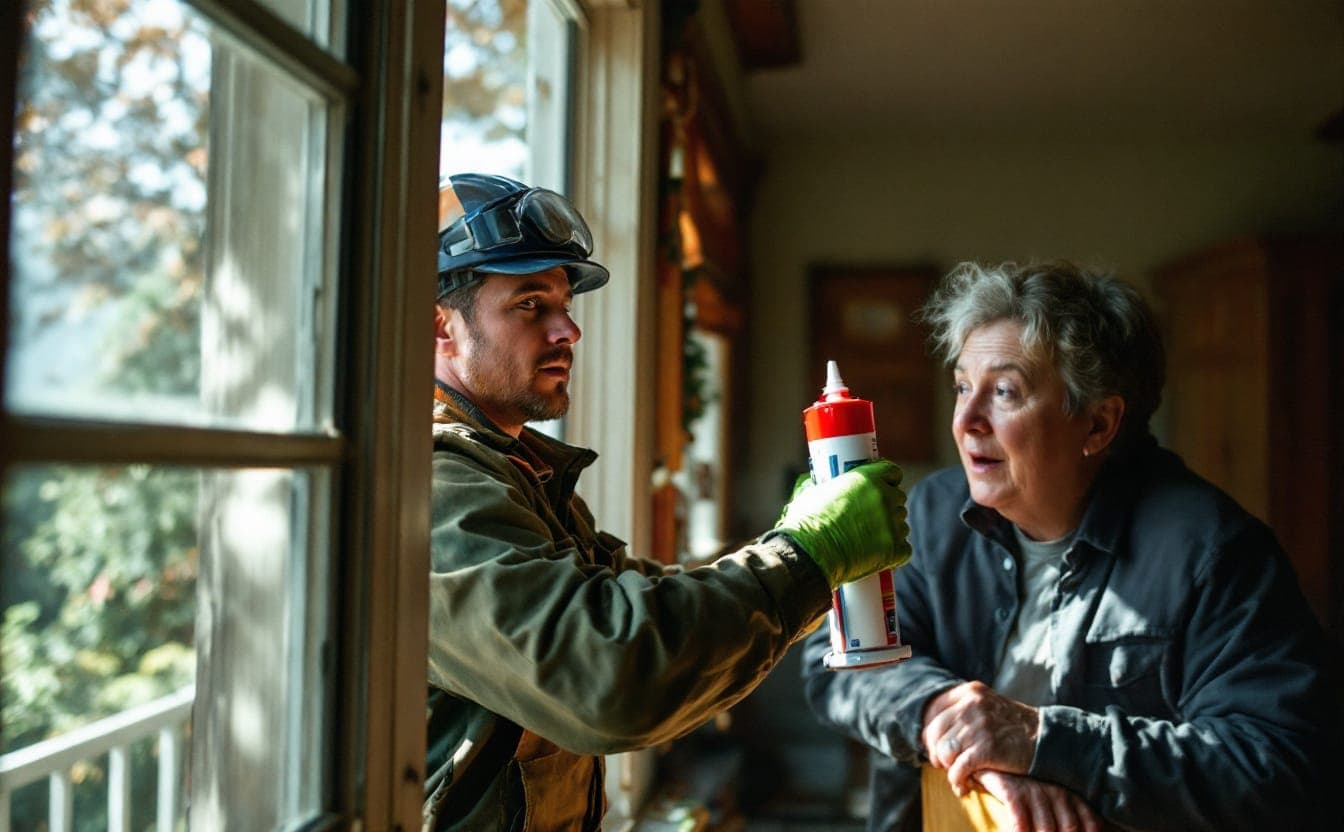
Put the request in writing and keep it friendly and specific. Describe the problem (drafts around the front windows, a cold back bedroom, high winter bills), mention that free or subsidized programs exist, and offer to share the contact information. Landlords benefit too: better insulation protects pipes from freezing, reduces wear on heating equipment and makes tenants more likely to stay.
If the problem is a lack of heat rather than drafts, that is a habitability issue, not a favor. Many cities and states set minimum indoor temperatures for rentals during the heating season. Your local housing code office or a tenant organization can tell you the rules where you live.
What can I fix myself without risking my deposit?
Plenty, as long as it comes off cleanly:
- Foam gaskets behind outlet and switch covers on exterior walls
- Removable rope caulk around window frames
- Clear plastic window film kits, which go on with tape and a hair dryer
- Door sweeps and draft stoppers at the bottom of exterior doors
- Heavy curtains, closed at night and open on sunny days
- Closing the fireplace damper when it's not in use
Our guide to low-waste living on a budget has more renter-friendly energy fixes. If you use a space heater, plug it directly into a wall outlet and keep it at least three feet from anything that can burn.
For homeowners
Which fixes give the most for the least?
In most older homes, the attic. Sealing the gaps where pipes, wires and light fixtures pass into it, then adding insulation, is often the single best project. After that, look at the basement rim joist (the wooden band where the house sits on the foundation), duct leaks and weatherstripping on exterior doors.
How do I choose a contractor?
Ask for an audit with a blower door test before and after the work, so you can see results. Look for technicians certified by the Building Performance Institute or a similar body. Ask whether they will test combustion appliances. Get at least two quotes and compare the scope of work line by line rather than looking only at the total.
Can a house get too tight?
Not really, as long as it's ventilated. Building scientists often put it as "build tight, ventilate right." Kitchen and bath fans that vent outdoors, working carbon monoxide alarms and a well-maintained heating system matter more as a home gets tighter.
Why it matters beyond your bill
Energy costs take a much bigger share of income for lower-income households, and drafty, poorly insulated homes are concentrated in the same neighborhoods that face other environmental burdens. The same homes that are hardest to heat in winter are often hardest to cool in summer, a pattern our story on urban heat and tree canopy explores. Programs that seal and insulate those homes are one of the most direct ways to make energy costs fairer, alongside options like community solar for renters.
Waiting lists can be long, so the best time to call is before the coldest weeks arrive. Start with 211, your utility and your state weatherization office, and keep notes on who you spoke with and when.
Partner links may earn us a commission.
Pack list for home and block
- BLUETTI power stationsBLUETTI's own store, with home backup bundles and solar panels.Shop at BLUETTI
Next: try the Rain Barrel Calculator or browse the full Pack list.