



Car Emergency Kit: A Year-Round List Plus Winter Add-Ons
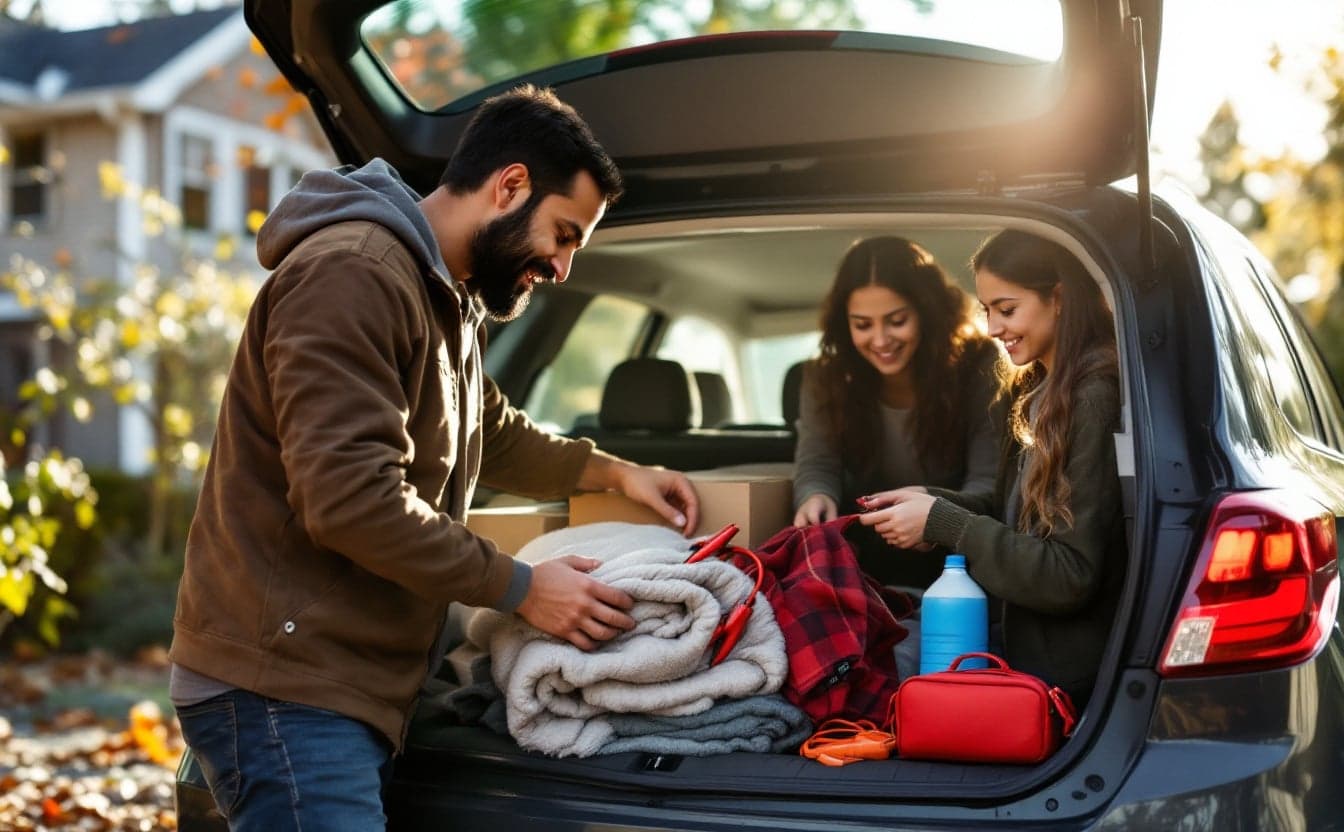
Picture a two-lane road in late January, 40 minutes from the nearest town, with the heater blowing and the fuel gauge a little lower than you meant to let it get. Then a deer, a patch of ice, a ditch. Nobody is hurt, the car will not climb back out, and the tow truck dispatcher says two hours, maybe three.
Gear links may earn us a commission. As an Amazon Associate I earn from qualifying purchases.
Trail-ready picks
 Any tripEverlit roadside emergency kitRoadside basics already bagged for the trunk; add water and a blanket.See on Amazon
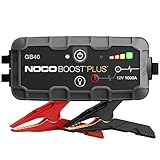 Cold snapsNOCO Boost GB40 jump starterA lithium jump pack that starts a dead battery without a second car.See on Amazon
 Any tripAmazon Basics window breaker and seatbelt cutterKeep it where you can reach it while buckled in, not in the trunk.See on Amazon
What happens in those hours depends mostly on what you put in the trunk back in October. A car emergency kit is not complicated. It is a small bag of roadside basics that stays in the car all year, a winter add-on that goes in when the first frost comes, and a few habits that cost nothing. Here is the full list, then what to do with it.
The short version
- Year-round: jump starter or cables, warning triangle, first aid kit, flashlight or headlamp, phone charger, water, snacks, a blanket, a paper map and a window breaker within reach of the driver's seat.
- Winter: warm layers, hat and gloves, more blankets, a shovel, an ice scraper and brush, sand or cat litter for traction, extra food and water.
- If you are stranded in snow: stay with the car, keep the tailpipe clear and run the engine only in short spells.
The year-round kit
These stay in the car every month of the year. Ready.gov's car kit list is the starting point, and most of the rest comes from what tow drivers and long-haul commuters end up wishing they had.
- A way to start a dead battery: jumper cables, or a portable jump pack that doesn't need a second car.
- A reflective warning triangle or flares, so other drivers see you before they see your bumper.
- A first aid kit, plus a day or two of any medicine you take.
- A flashlight or headlamp with fresh or charged batteries.
- A phone cord that fits the car's outlet, and a charged battery pack.
- Water, a gallon if you have room, and a few granola bars or nuts.
- A blanket, even in summer. It doubles as a ground cloth for changing a tire.
- A paper map of your state or region.
- A window breaker and seatbelt cutter, mounted where the driver can reach it while buckled in.
- Work gloves, a rag, and a tire pressure gauge.
Pack list
- Everlit roadside emergency kitRoadside basics already bagged for the trunk; add water and a blanket.See on Amazon
- NOCO Boost GB40 jump starter about 2.4 lbA lithium jump pack that starts a dead battery without a second car.See on Amazon
- Amazon Basics window breaker and seatbelt cutterKeep it where you can reach it while buckled in, not in the trunk.See on Amazon
- General Medi mini first aid kit about 8 ozA compact zip case of bandages and basics for a glove box or pack.See on Amazon
We picked these from makers' specifications, published reviews and owner feedback; we haven't run any trials of our own. A pre-packed roadside bag saves a shopping trip, but open it the day it arrives, see what's inside and fill the gaps with water, a blanket, food and your own medicines.
Two more items earn their space. A headlamp beats a flashlight for a tire change at night, because both hands stay on the lug wrench; a rechargeable one with a red mode charges from the same USB cord as your phone. And a hand-crank weather radio gets you National Weather Service alerts if the car battery dies, and its crank can put a little charge back into a phone.
Before you go
 VIVOSUN dual-chamber compost tumblerSee on Amazon
 REOTEMP 20-inch compost thermometerSee on Amazon
 Nalgene 32 oz wide-mouth bottleSee on Amazon
Gear links may earn us a commission. As an Amazon Associate I earn from qualifying purchases.
Add these for winter
When the first hard frost arrives, add a winter layer to the kit. The National Weather Service's winter car kit list covers it well: blankets, a change of clothes, high-calorie food, a shovel, a flashlight and batteries, an ice scraper and brush, a tow rope, booster cables, road maps, waterproof matches and drinking water.
A few practical additions:
- A hat, gloves and dry socks for everyone who regularly rides with you.
- A bag of sand or non-clumping cat litter to throw under spinning tires.
- A bright cloth, red if you have one, to tie to the antenna or door.
- Hand warmers, which are small and last for hours.
- A water bottle you can keep inside the car's cabin, where it is less likely to freeze solid than in the trunk.
Keep the tank at least half full through the winter. You may need the engine for heat while you wait, and Ready.gov notes that a fuller tank also keeps the fuel line from freezing.
Stranded in snow: stay with the car
The Weather Service and the National Highway Traffic Safety Administration give the same core advice, and it runs against instinct.
Stay in the vehicle. Snow and cold disorient people quickly, and rescuers find a car far more easily than a person walking. Leave only if a building is clearly in sight.
Keep the tailpipe clear. Snow packed around the exhaust can push carbon monoxide into the cabin, and you won't smell it. Check the pipe every so often, especially while snow is still falling, and clear it before you run the engine.
Run the engine in short spells. The Weather Service suggests about 10 minutes each hour for heat, with a downwind window open a crack for fresh air. NHTSA's advice is the same in spirit: run it only long enough to stay warm, never for long stretches with the windows shut.
Make yourself visible. Tie the bright cloth to the antenna or door, turn on the dome light at night while the engine runs (it uses little power), and raise the hood once the snow stops.
Keep warm without wearing yourself out. Move your arms, legs, fingers and toes now and then. Share blankets, huddle together, and drink water. Don't overexert yourself shoveling, which is hard on the heart in the cold.
Stranded in heat or high water
Summer breakdowns need their own planning. Carry more water than you think you need. If you must wait outside the car, find shade away from traffic. Never leave a child or a pet in a parked car, even with the windows cracked; a closed car can heat up by close to 20°F in 10 minutes.
Water on the road is its own hazard. Ready.gov warns that six inches of water can make a car lose control or stall. If you can't see the pavement under the water, turn around.
Jump-starting without the drama
Read your owner's manual first. Some cars have remote jump points under the hood, and hybrids and electric cars have their own rules, including whether they may be used to jump another car. Don't try to jump a battery that is cracked, leaking or frozen.
With cables and a second car
- Park the cars close but not touching, both in park or neutral, ignitions off.
- Clamp red to the positive (+) terminal on the dead battery.
- Clamp the other red end to the positive terminal on the good battery.
- Clamp black to the negative (-) terminal on the good battery.
- Clamp the last black end to bare, unpainted metal on the dead car's engine, away from the battery.
- Start the good car and let it run a few minutes, then start the dead one.
- Remove the clamps in the reverse order, and keep the metal ends from touching each other.
With a jump pack
A lithium jump pack does the same job with no second car, which matters on an empty road or in a parking garage. Clamp red to positive and black to negative or a ground point, switch the pack on, start the car, then switch the pack off and remove the clamps. The NOCO Boost GB40 is a small one that NOCO rates for most gasoline engines up to about 6 liters; check your engine size against the range any pack lists before you buy.
Jump packs need charging every few months, and heat is hard on lithium batteries. A trunk in an Arizona July is a rough place to store one, so check the maker's storage temperatures and recharge the pack whenever you change the clocks. If the battery dies again within a day or two, have the battery checked; many auto parts stores do it free.
Tires: the five-minute monthly check
Flat tires and dead batteries are among the most common reasons drivers call for roadside help, and tires usually give warning if you look.
- Check pressure once a month, and before long trips, with the tires cold. The right number is on the placard inside the driver's door frame or in the owner's manual, not the maximum molded into the tire's sidewall.
- Check tread with a penny. Put it head-first into a groove. If you can see the top of Lincoln's head, the tread is worn down to about 2/32 of an inch and the tire is due for replacement.
- Look for bulges, cracks and nails.
- Know what your car carries. Many newer cars come with a sealant and inflator kit instead of a spare. If yours has a compact spare, its speed and distance limits are printed on it, often 50 mph.
To change a tire, get well off the road onto level ground, turn on the hazards, set the parking brake and loosen the lug nuts slightly before you jack the car up. The jack points are in the manual. If the shoulder is narrow or traffic is fast, call for help instead.
Paper backups
Phones die and cell coverage drops. Keep a zip-top bag in the glove box with your registration and insurance card, a copy of your roadside assistance details, and a short list of phone numbers written on paper: family, a neighbor, your insurer and a towing service. If you have a medical condition, add a card with your medicines and allergies for first responders.
Add a paper map. Many state transportation departments still hand out free highway maps at welcome centers or by mail, and a map shows the next town and the back roads your phone won't show without a signal.
Long rural drives
Rural roads carry their own risks: long gaps between gas stations, dead zones for cell service, and help that can take an hour or more to arrive.
- Download offline maps for your route before you leave.
- Tell someone your route and when you expect to arrive.
- Refill at half a tank instead of waiting for the light.
- Check road conditions before you go; most states run a 511 traveler information line or website.
- Pack double the water in summer and the full winter kit from November through March.
If you're heading into the backcountry for a hike or a camping trip, a small portable power station can ride along to keep phones and lights charged at camp, and it runs the same devices at home during an outage.
No car of your own? A kit for riders and car-share drivers
Plenty of people rely on buses, paratransit, ride-hailing, rides from friends or car-share. A breakdown or a long delay hits them too, often with less control over the situation.
A small kit in a daypack covers most of it: a charged battery pack and cable, a small flashlight, a bottle of water, a snack, a paper card with phone numbers and medical information, and a few masks. In winter, add a hat, gloves and a packable layer, because waiting is the coldest part of a trip. If you use paratransit, carry a day of medicines, since rides can run late.
Before you drive a car-share or rental car, find the roadside assistance number in the app or the paperwork, check whether the car has a spare or an inflator kit, and take photos of its condition. When you ride with a ride-hail driver, share your trip status with someone. Transit riders heading out of town for the day can learn from transit-to-trails programs, which plan around exactly these gaps.
Where everything goes
Keep the window breaker within reach of the driver's seat, in the console or door pocket, never in the trunk. Know its limits, too: these tools are made for the tempered glass in most side windows, and some newer cars use laminated side glass that they won't break. Check the label in the corner of the window or the owner's manual.
Store heavy items low and tied down, so a shovel doesn't become a projectile in a crash. Keep the first aid kit and paper backups in the glove box. Twice a year, when the clocks change, swap the water and snacks, charge the jump pack and battery bank, and move the winter layer in or out. For the matching kit inside your home, see our guide to building an emergency kit for home.
Next: try the Compost Calculator or browse the full Pack list.