


The Best Compost Bin for Your Space, From Countertop to Backyard
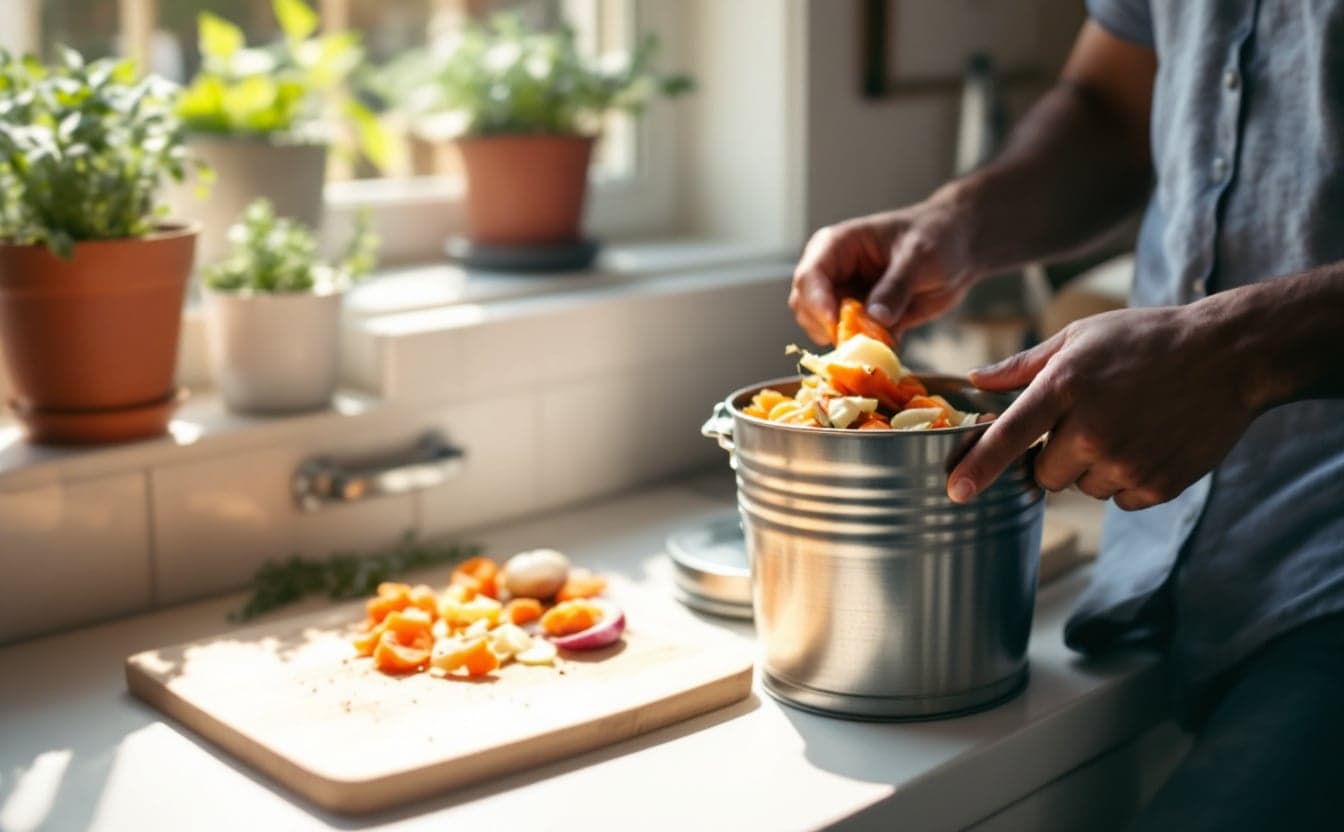
Most homes that compost well use two containers, not one. A small lidded pail sits by the sink and collects peels, coffee grounds and wilted greens for a few days. Then those scraps go somewhere they can actually become compost: a tumbler or bin outside, a worm bin in a closet, a bokashi bucket under the sink, or the city's green cart. Shopping for a compost bin goes much better once you know which of those two jobs you are filling.
This guide covers both. It starts with a one-table summary, then the questions that decide the right setup (space, household size, rats, your lease), then each pick with its real trade-offs, and finally the free routes that many people overlook. We made these picks from makers' specifications, published reviews and what long-term owners report. We have not used them ourselves, so the trade-offs below come from those sources and from how each design works.
Gear links may earn us a commission. As an Amazon Associate I earn from qualifying purchases.
Trail-ready picks
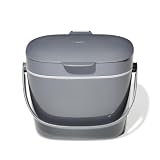 Year roundOXO Good Grips Easy-Clean compost binSmooth plastic inside and a lid that comes off, so rinsing it takes seconds.$29.00 Amazon price, as of Oct 22, 2026, 4:26 PM UTCSee on Amazon
 Year roundVIVOSUN dual-chamber compost tumblerTwo chambers: one batch finishes while you fill the other, and a few turns mix the pile.$67.99 Amazon price, as of Oct 22, 2026, 4:26 PM UTCSee on Amazon
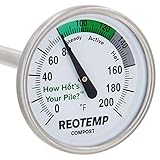 Year roundREOTEMP 20-inch compost thermometerA long stem reaches the middle of the pile, where the heat tells you it is working.$23.99 Amazon price, as of Oct 22, 2026, 4:26 PM UTCSee on Amazon
Product prices and availability are accurate as of the date/time indicated and are subject to change.
Quick picks at a glance
| Pick | Where it lives | Suits | Our one-line verdict |
|---|---|---|---|
| OXO Good Grips Easy-Clean, 1.75 gal | Kitchen counter | People who hate scrubbing a pail | The easiest pail to rinse; plain plastic, no extras |
| Utopia Kitchen steel pail, 1.3 gal | Kitchen counter | Small kitchens, odor-sensitive noses | Steel and a charcoal filter at a size that fits by the sink |
| Epica steel pail, 1.3 gal | Kitchen counter | The same job with a classic look | A near twin of the Utopia; pick by looks |
| VIVOSUN dual-chamber tumbler, 43 gal | Yard or patio | Small yards, rat-prone blocks, renters with a patio | The most practical outdoor option for tight spaces; holds less than a pile |
| VermiHut Plus 5-tray worm bin | Closet, balcony, classroom | Apartments, kids, steady vegetable scraps | Makes rich castings without a yard, but the worms need care |
| All Seasons indoor bokashi kit, 5 gal | Under the sink | Homes with meat and dairy scraps | Takes what worms and piles cannot; needs a second step |
Five questions that decide the right bin
Where will the scraps finish?
If your city collects food scraps at the curb, or there is a drop-off on your way to work, a kitchen pail may be all you need. The program does the composting. If not, you need a place for scraps to break down: outdoors, in a worm bin, or in a bokashi bucket followed by soil.
How much space do you have?
A counter corner fits a pail. A cabinet or closet fits a worm bin or bokashi bucket. A balcony can hold either in mild weather. A patio fits a tumbler. An open pile wants a patch of ground roughly 3 by 3 feet, plus room to work around it.
How much do you throw out?
A couple who cooks most nights often fills a gallon-size pail in a few days, and a family of five can fill one in a day or two. Bigger households should think about the bigger 1.75-gallon pail and a two-chamber tumbler or open pile, because a single worm bin can be overwhelmed by a family's scraps.
Are rats, raccoons or a curious dog a concern?
Closed systems win here. A tumbler sits off the ground, a worm bin and a bokashi bucket live indoors, and any open-bottomed bin can sit on quarter-inch hardware cloth. Leave meat, dairy and oily food out of outdoor bins unless they have gone through bokashi first and are buried deep.
What do your lease, HOA or city allow?
Some leases and homeowner rules ban open piles, and some cities require food scraps outdoors to be in a closed, rodent-resistant container. A tidy tumbler on a patio is the easiest thing to get a landlord to say yes to. Ask in writing, and keep the answer.
Before you go
 VermiHut Plus 5-tray worm bin$82.00 Amazon price, as of Oct 22, 2026, 4:26 PM UTCSee on Amazon
 All Seasons indoor bokashi kit$72.95 Amazon price, as of Oct 22, 2026, 4:26 PM UTCSee on Amazon
 Nalgene 32 oz wide-mouth bottle$16.05 Amazon price, as of Oct 22, 2026, 4:26 PM UTCSee on Amazon
Product prices and availability are accurate as of the date/time indicated and are subject to change.
Gear links may earn us a commission. As an Amazon Associate I earn from qualifying purchases.
Kitchen caddies: the pail by the sink
A good kitchen pail closes firmly, rinses clean in under a minute and is big enough that you are not running outside every evening. Pails with charcoal filters in the lid trap smells, but the filters need replacing every few months. Liners are optional. A folded sheet of newspaper or a paper bag in the bottom works, and if you buy compostable bags, check that your city program takes them first.
OXO Good Grips Easy-Clean
The OXO Easy-Clean pail is the one to get if cleaning is what puts you off. The inside is smooth plastic, and the lid comes off, so you can rinse every corner instead of chasing coffee grounds out of seams. At 1.75 gallons it is the largest of the three pails here, which suits bigger households or anyone who empties scraps once or twice a week. The trade-off is plastic itself: over years it can hold on to stains and smells in a way steel does not.
Utopia Kitchen stainless steel pail
The Utopia Kitchen pail is a stainless steel bucket of about 1.3 gallons with a charcoal filter in the lid. Steel shrugs off stains, and the filter helps in a warm kitchen or a small apartment where the counter is a few feet from the couch. You will want replacement filters on hand. The smaller size means more frequent trips, which is not a bad thing in summer, when scraps start to smell after a few days anyway.
Epica stainless steel pail
The Epica pail does the same job as the Utopia: a classic 1.3-gallon steel pail with a replaceable charcoal filter in the lid. Honestly, the two are close enough that the choice comes down to looks and which replacement filters you can find easily. Either fits beside a sink without taking over the counter.
Outdoors: the dual-chamber tumbler
The VIVOSUN dual-chamber tumbler solves the most common complaint about outdoor composting, which is that a single bin never finishes because you keep adding to it. With two chambers, you fill one side, then let it sit and cook while you fill the other. A few turns of the drum after each addition mixes everything without a fork. Because it sits on a frame off the ground, rats cannot burrow in from below, which makes it a good fit for row-house yards and patios.
Know the limits before you buy. The whole drum holds 43 gallons, about 5.7 cubic feet, which is far less than the cubic yard a pile needs to get really hot. Expect a warm, steady batch rather than a steaming one, and plan on a couple of months or more per side. A full chamber of wet scraps gets heavy to spin. Tumblers also go soggy easily, so keep a bag of shredded cardboard or dry leaves next to it and add a handful of browns with every load of scraps. A sunny spot helps it stay warm. And a tumbler cannot swallow a whole autumn's leaves, so homes with big trees may still want a leaf pile or a wire ring next to it.
For a yard or patio, this is the setup we would start with:
Pack list
- OXO Good Grips Easy-Clean compost bin 1.75 galSmooth plastic inside and a lid that comes off, so rinsing it takes seconds.$29.00 Amazon price, as of Oct 22, 2026, 4:26 PM UTCSee on Amazon
- VIVOSUN dual-chamber compost tumbler 43 galTwo chambers: one batch finishes while you fill the other, and a few turns mix the pile.$67.99 Amazon price, as of Oct 22, 2026, 4:26 PM UTCSee on Amazon
- REOTEMP 20-inch compost thermometer 20 in stemA long stem reaches the middle of the pile, where the heat tells you it is working.$23.99 Amazon price, as of Oct 22, 2026, 4:26 PM UTCSee on Amazon
Product prices and availability are accurate as of the date/time indicated and are subject to change.
The thermometer is optional, but its long stem tells you whether the middle of a batch is heating, which takes much of the guessing out of the first season.
Indoors without a yard: worms and bokashi
VermiHut Plus 5-tray worm bin
A stacking worm bin like the VermiHut Plus lets apartment dwellers turn vegetable scraps into worm castings, the dark, fine material gardeners mix into potting soil. Worms live in the bottom tray to start. As you add trays of fresh bedding and food on top, they move up through the holes, leaving finished castings below to harvest. It fits in a closet, under a sink or in a classroom corner.
The trade-off is that you are keeping animals. You will need about a pound of red wiggler worms from a worm grower, a steady supply of shredded paper for bedding, and a room that stays roughly between the high 50s and high 70s degrees F (about 15 to 25 C). Worms do not eat meat, dairy, oily food, onions or much citrus. Overfeed them, and the bin smells and draws fruit flies. Feed them right, and it smells like damp soil.
All Seasons indoor bokashi kit
The All Seasons bokashi kit is a 5-gallon bucket with a tight lid, a drain spigot near the bottom and a starter bag of bokashi bran. You layer scraps, sprinkle a handful of bran over each layer, press out the air and close the lid. The bran ferments the food rather than rotting it, so cooked leftovers, meat, fish, cheese and small bones can all go in, which is something no worm bin or backyard pile can handle well.
The catch is the second step. After about two weeks of fermenting, the contents look like pickled scraps, not soil. They still need to be buried in a garden bed, mixed into a large planter or tote of old potting soil, or added to a compost pile, where they break down in a few weeks. You will also keep buying bran, and a single bucket fills in a few weeks for most families, so many people add a second bucket so one can ferment while they fill the other.
For an apartment with no yard, pair one of these with a pail:
Pack list
- Utopia Kitchen countertop compost bin 1.3 galStainless pail with a charcoal filter in the lid for scraps between trips outside.$22.22 Amazon price, as of Oct 22, 2026, 4:26 PM UTCSee on Amazon
- VermiHut Plus 5-tray worm bin 5 traysStacking trays: the worms move up to fresh food and leave finished castings below.$82.00 Amazon price, as of Oct 22, 2026, 4:26 PM UTCSee on Amazon
- All Seasons indoor bokashi kit 5 galA 5-gallon bucket with a drain spigot and a starter bag of bran: everything to begin.$72.95 Amazon price, as of Oct 22, 2026, 4:26 PM UTCSee on Amazon
Product prices and availability are accurate as of the date/time indicated and are subject to change.
What about electric countertop machines?
Plug-in kitchen units that heat, dry and grind scraps into a fluffy, dark material have become popular. They shrink scraps fast and the smell is low. But they use electricity, and what comes out is dried, ground food rather than finished compost. It still needs time mixed into soil or a pile before plants get the full benefit. We left them off this list for that reason. If a city green cart or a drop-off is available, it does the same job at lower cost.
Free and low-cost routes
City programs
If your city collects food scraps, ask whether it hands out a free kitchen pail with the green cart; many do. Some cities and counties also sell backyard bins at a discount or give them out at free composting classes, and a few run spring giveaways of finished compost. Look on the sanitation or public works department's website, or call 311 where it exists. BioCycle's Find a Composter directory can point you to drop-off sites and collection services if your city has none.
A DIY pallet bin
Four wooden shipping pallets, stood on edge and fastened at the corners with screws or heavy wire, make a sturdy bin about a cubic yard in size. Check the stamp on each pallet first. "HT" means heat-treated, which is what you want. Skip any pallet stamped "MB," which means it was fumigated with methyl bromide, and skip painted or stained ones. Hinge or wire the front pallet so you can open it to turn the pile. Add a second and third bin side by side and you have the classic three-bin system: one filling, one cooking, one finishing. If you do not own a drill, a tool library may lend one; our piece on gear libraries explains how lending programs like these work.
A wire ring
About 10 feet of sturdy wire fencing, 3 feet tall, bent into a circle and clipped closed, makes a bin roughly 3 feet across. It costs little, sets up in ten minutes and is ideal for fall leaves. To turn it, unclip the ring, set it up next door and fork the pile back in.
A drop-off and a freezer
The free option that works almost anywhere: keep scraps in a lidded container in the freezer (no smell, no flies) and take them to a farmers market, community garden or library collection point once a week. The EPA's home composting page has more on what to collect and why it matters.
Matching a setup to your home
| Your home | A setup that tends to work |
|---|---|
| Studio or shared apartment, no outdoor space | A pail plus the freezer and a weekly drop-off, or a bokashi bucket |
| Apartment with a balcony | A pail plus a worm bin or bokashi, with a soil tote for the bokashi |
| Renter with a small yard or patio | A pail plus a tumbler, with the landlord's OK in writing |
| House with a yard and big trees | A pail, an open pile or pallet bin, and a wire ring for leaves |
| Family cooking lots of meat, with curbside pickup | A large pail and the green cart |
| Classroom | A worm bin, with a plan for school breaks |
If this is your first season, our guide on how to start composting walks through the browns-to-greens habit, a first-week plan and fixes for smells and pests. And once your first batch is finished, the compost calculator tells you how far it will stretch across a bed or garden plot.
Next: try the Compost Calculator or browse the full Pack list.