


How to Start Composting: A Practical Guide for Yards and Apartments
To start composting you need three things: a place for it to happen, roughly three parts dry "browns" to one part wet "greens" by volume, and enough moisture that the mix feels like a wrung-out sponge. Cover every batch of food scraps with browns, let some air in now and then, and microbes do the rest. A tended pile turns into dark, crumbly compost in three to five months. A neglected one still gets there, closer to a year.
That really is the whole method. The rest of this guide is detail: what counts as brown or green, which setup fits your home (including no yard at all), what to do in the first week, and how to fix the three problems nearly everyone runs into.
Gear links may earn us a commission. As an Amazon Associate I earn from qualifying purchases.
Trail-ready picks
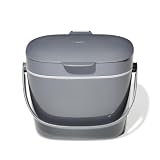 Year roundOXO Good Grips Easy-Clean compost binSmooth plastic inside and a lid that comes off, so rinsing it takes seconds.$29.00 Amazon price, as of Oct 22, 2026, 4:26 PM UTCSee on Amazon
 Year roundVIVOSUN dual-chamber compost tumblerTwo chambers: one batch finishes while you fill the other, and a few turns mix the pile.$67.99 Amazon price, as of Oct 22, 2026, 4:26 PM UTCSee on Amazon
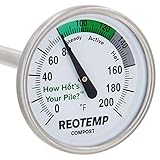 Year roundREOTEMP 20-inch compost thermometerA long stem reaches the middle of the pile, where the heat tells you it is working.$23.99 Amazon price, as of Oct 22, 2026, 4:26 PM UTCSee on Amazon
Product prices and availability are accurate as of the date/time indicated and are subject to change.
If you rent or live in an apartment, keep reading. Many cities now collect food scraps at the curb or at drop-off points, often free, and that counts. Your peels still become compost; someone else just turns the pile. It matters more than it sounds. The EPA estimates that food makes up about 24 percent of what American households and businesses send to landfills, and that landfilled food accounts for about 58 percent of the methane escaping from those landfills (EPA research summary).
Browns, greens and the three-to-one habit
Compost is a meal for bacteria and fungi, and later for mites, beetles and worms. They need carbon for energy and nitrogen to grow. Browns are the carbon side: dry leaves, straw, shredded plain cardboard, paper bags, newspaper, sawdust from untreated wood, dead plant stalks. Greens are the nitrogen side: fruit and vegetable scraps, coffee grounds and paper filters, tea leaves, fresh grass clippings, soft plant trimmings.
The EPA's home composting guide calls for at least two to three times as much brown material as green by volume. In practice that means one pail of scraps, then two or three pails of leaves or torn cardboard on top. Nobody needs a scale. If the ratio drifts, the pile will tell you by smell, and the fixes are below.
Browns are what people run short of. Bag fallen leaves in autumn and stack the bags beside the bin, and they will carry you into spring. Keep a paper grocery sack of torn cardboard by the back door. Many coffee shops will hand over used grounds if you ask, which is a free green that helps a pile warm up.
What goes in and what stays out
| Into the pile | Keep out of a home pile | Why |
|---|---|---|
| Fruit and vegetable scraps | Meat, fish and bones | Draw rats, raccoons and dogs |
| Coffee grounds, filters, tea leaves | Dairy, oils, greasy food | Smell, and attract animals |
| Crushed eggshells | Dog and cat waste | Can carry parasites and germs |
| Dry leaves, straw, plant stalks | Diseased plants, weeds gone to seed | A home pile may not get hot enough to kill them |
| Shredded plain cardboard and paper | Glossy or coated paper | Coatings break down poorly |
| Grass clippings, in thin layers | "Compostable" cups and cutlery | Made for industrial heat, not a backyard |
| Untreated sawdust and wood chips | Treated or painted wood, coal or charcoal ash | Chemicals you do not want in a garden |
Two notes. City curbside programs often take items from the middle column, including meat, bones, dairy and greasy pizza boxes, because industrial sites run much hotter than a backyard pile. Check your local list before assuming either way. And chop big pieces (melon rinds, corn cobs, broccoli stems) to about fist size or smaller. They finish far sooner.
Before you go
 TP50 indoor thermometer and hygrometer$10.49 Amazon price, as of Oct 22, 2026, 4:26 PM UTCSee on Amazon
 Nalgene 32 oz wide-mouth bottle$16.05 Amazon price, as of Oct 22, 2026, 4:26 PM UTCSee on Amazon
Product prices and availability are accurate as of the date/time indicated and are subject to change.
Gear links may earn us a commission. As an Amazon Associate I earn from qualifying purchases.
Choosing a method that fits your home
An open pile or homemade bin
The lowest-cost route if you have a corner of yard. Aim for about 3 feet on each side, roughly a cubic yard (under a cubic meter), because smaller piles have trouble holding heat. A ring of wire fencing or a box made from old pallets keeps it neat.
A closed plastic bin
Many cities and counties sell these at a discount or hand them out at composting workshops. The lid keeps rain off and slows animals down. They are awkward to turn, so they lean on time.
A tumbler
A drum on a stand that you spin to mix. It sits off the ground, which helps where rats are a problem, and it fits on a patio. It holds less than a pile, so it may not get as hot. Dual-chamber models let one side finish while you fill the other.
A worm bin
Red wiggler worms in a ventilated box, eating kitchen scraps indoors or on a balcony. A stacking tray-style worm bin fits in a closet or under a sink. Good for apartments, classrooms and small households.
A bokashi bucket
A sealed bucket where scraps ferment with an inoculated bran. It accepts meat and dairy and lives under the sink, but the fermented scraps must be buried or added to a pile to finish.
Curbside pickup or a drop-off
No setup at all. Freeze scraps in a lidded container and carry them once a week to a farmers market, community garden, library or transfer station that collects them, or put them in a green cart if your city picks up. BioCycle's Find a Composter directory lists facilities and collection services around the country. Vermont has banned food scraps from household trash since July 2020, California has required organics collection since 2022, and New York City's curbside composting reached all five boroughs in October 2024. Where a program like that exists, your method may already be parked at the curb.
If you want to buy a starter setup for a yard or patio, these are the pieces worth having. We chose them from makers' specifications, published reviews and owner feedback, not from hands-on use of our own.
Pack list
- OXO Good Grips Easy-Clean compost bin 1.75 galSmooth plastic inside and a lid that comes off, so rinsing it takes seconds.$29.00 Amazon price, as of Oct 22, 2026, 4:26 PM UTCSee on Amazon
- VIVOSUN dual-chamber compost tumbler 43 galTwo chambers: one batch finishes while you fill the other, and a few turns mix the pile.$67.99 Amazon price, as of Oct 22, 2026, 4:26 PM UTCSee on Amazon
- REOTEMP 20-inch compost thermometer 20 in stemA long stem reaches the middle of the pile, where the heat tells you it is working.$23.99 Amazon price, as of Oct 22, 2026, 4:26 PM UTCSee on Amazon
Product prices and availability are accurate as of the date/time indicated and are subject to change.
Your first week, one step at a time
- Pick the spot. Level ground, part shade, close enough to the kitchen that you will still walk out there in February. If you rent, ask your landlord in writing first and offer a closed bin or tumbler.
- Lay a base of coarse browns 4 to 6 inches deep (twigs, stalks, crumpled cardboard) so air can reach the bottom. Add a layer of leaves.
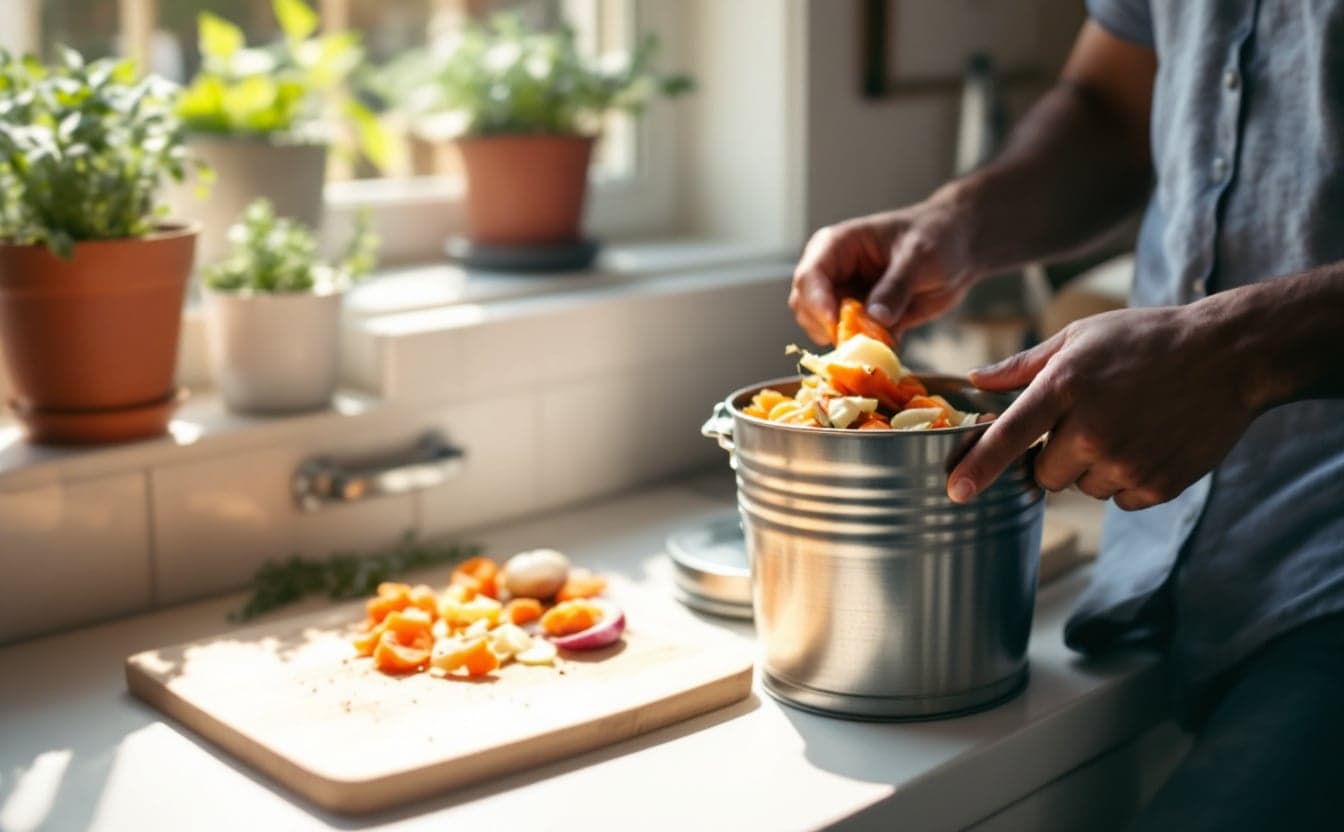
- Start collecting scraps in a lidded pail by the sink. A steel countertop pail with a charcoal filter keeps odors down between trips, though any container with a lid works.
- Each time you empty the pail, spread the scraps, cover them with 4 to 8 inches of browns, and sprinkle water if the browns are dry.
- At the end of the week, push a hand into the middle. It should feel damp, not soggy. If you added a lot at once in mild weather, it may already feel warm, which means the microbes are busy.
Heat is optional. A hot pile, 130 to 160 degrees F (about 55 to 70 C), finishes faster and kills more weed seeds, but it needs a big batch of mixed material all at once. Most households add scraps a little at a time and run a cool pile instead. It is slower and works fine.
Moisture, air and turning
Squeeze a handful from the middle. One or two drops of water is right. Nothing at all means the pile is too dry: add water or fresh greens. Water running between your fingers means too wet: mix in dry browns and leave the lid open on a sunny day.
The microbes that make compost smell like soil need oxygen. Turning with a garden fork every week or two in warm weather speeds things up, and once a month is plenty for a casual pile. With a tumbler, give it a few spins after each addition. If you never turn at all, the pile still works, just slowly, and the bottom finishes first.
In cold climates a pile slows almost to a stop in deep winter. Keep adding scraps and covering them with leaves, and it will restart when the weather warms. Bags of leaves stacked around a bin act as insulation.
How to tell when compost is finished
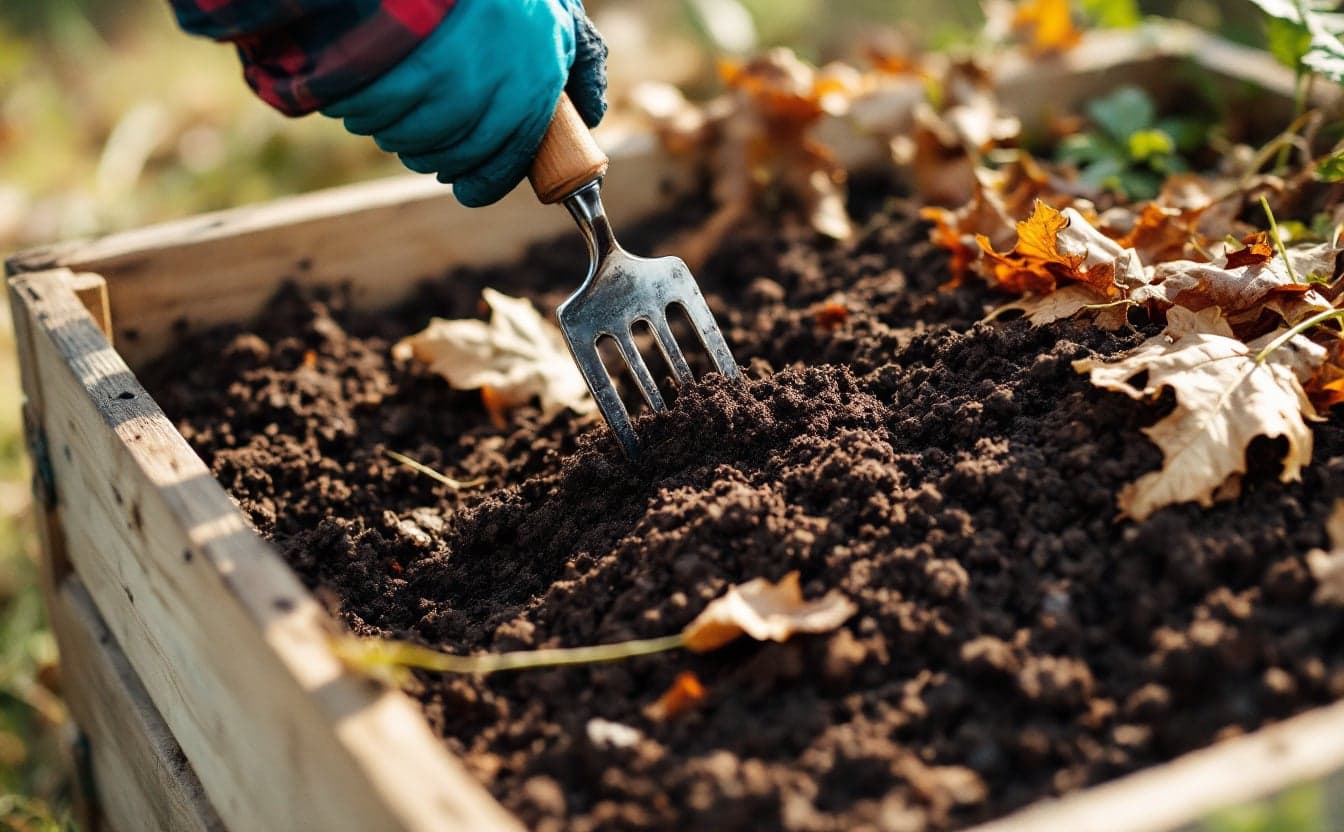
Finished compost is dark brown, crumbly and smells like a forest floor after rain. You should not recognize most of what went in, although eggshell flecks, avocado pits and woody bits often survive. Toss those back into the next batch. If you turn the pile and it heats up again, it is not done yet.
Let it rest a few more weeks before using it around seedlings. Many gardeners sift it through a frame of half-inch hardware cloth.
As a rough guide: three to five months for a tended pile, six to twelve for a casual one, a couple of months per batch for a tumbler in warm weather, and three to six months for a worm bin.
Fixing smells, pests and a cold pile
A bad smell
Ammonia means too many greens, so add browns and mix. Rotten eggs or sewage means too wet and short of air: turn it, add dry browns, and check whether rain is getting in. A healthy pile smells earthy, maybe a little sweet up close.
Animals and flies
Rats and raccoons come for meat, dairy, oil, bread and any food left exposed. Bury every addition under browns. Set an open-bottomed bin on a sheet of quarter-inch hardware cloth so nothing can tunnel in. Fruit flies in the kitchen pail mean it needs emptying every few days, or keep scraps in the freezer until trip day. Flies in the pile mean the scraps need a thicker brown cover.
A pile that will not heat
It is usually too small, too dry or short on greens. Build it up toward a cubic yard, water as you go, and mix in a fresh load of grass clippings or coffee grounds. In winter, wait for spring. A pile that never heats is still composting, only at a slower pace.
Using your compost in a community garden plot
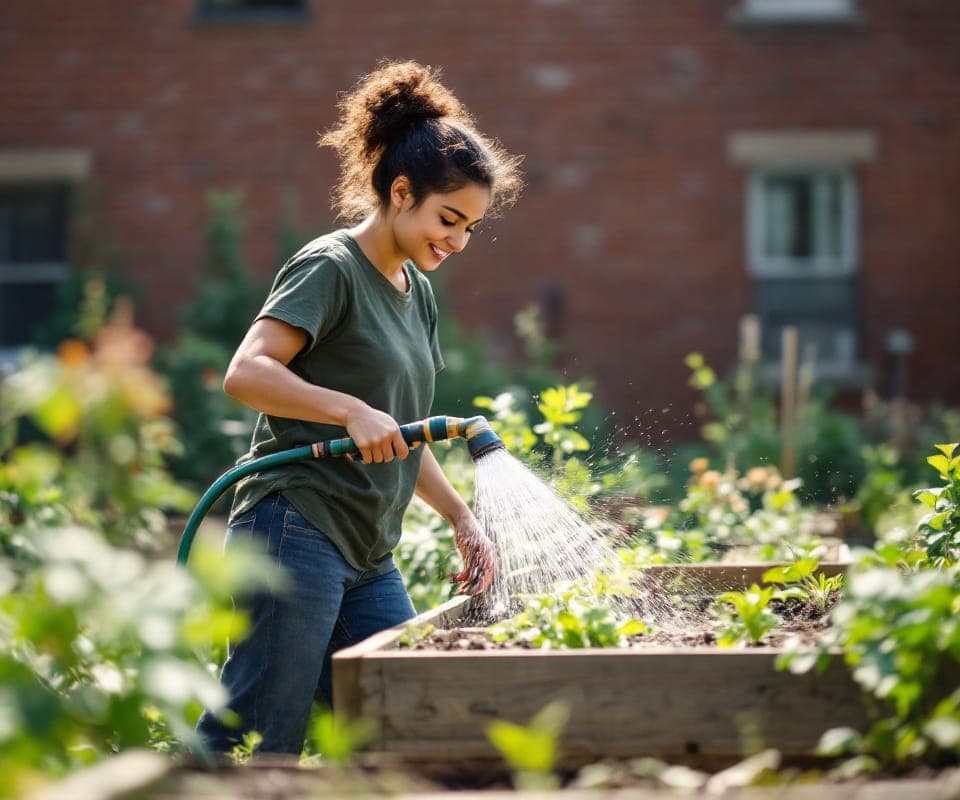
Many community gardens run a shared compost system with their own rules, often no meat and sometimes no outside scraps. Ask the coordinator before you add anything. Some gardens welcome neighbors' scraps in exchange for an hour of turning, which is a good arrangement for apartment dwellers who want to see their peels become soil.
To feed a bed, spread 1 to 2 inches over the surface in spring and work it into the top few inches, or lay a thin ring around plants that are already growing. A 10 by 4 foot plot at 2 inches deep takes about 6.7 cubic feet, close to five bags of 1.5 cubic feet each. Our compost calculator runs the numbers for any bed and depth. If your pile cannot keep up, many cities give away or sell finished compost from their own programs each spring.
Composting fits easily alongside the habits in low-waste living on a tight budget, since the "eat this first" shelf means fewer scraps to begin with. And if your plot is shared with gardeners growing varieties from home, our story on immigrant seed-saving traditions shows what good soil ends up feeding.
Next: try the Compost Calculator or browse the full Pack list.