Gear Libraries: Lending Tents, Packs and Snowshoes So Cost Isn't the Barrier
Price out a first night of camping for a family of four and the list gets long fast: a tent, four sleeping bags warm enough for an October night, four pads, a stove, a pot, headlamps, a cooler, and a pack or two to carry it all. Even bought on sale, that list can pass several hundred dollars before anyone has found out whether they like sleeping outside. For a household already stretching a paycheck, that is the end of the conversation.
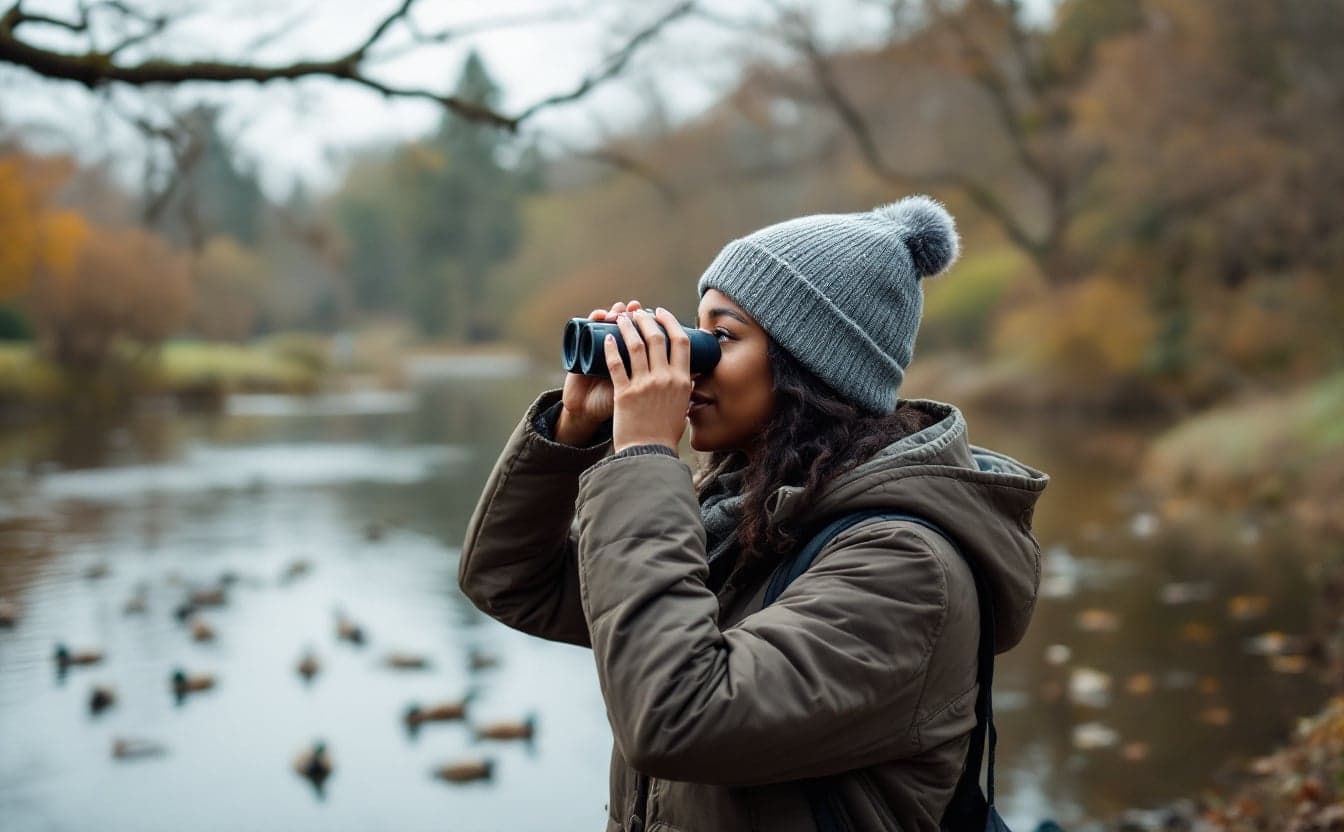
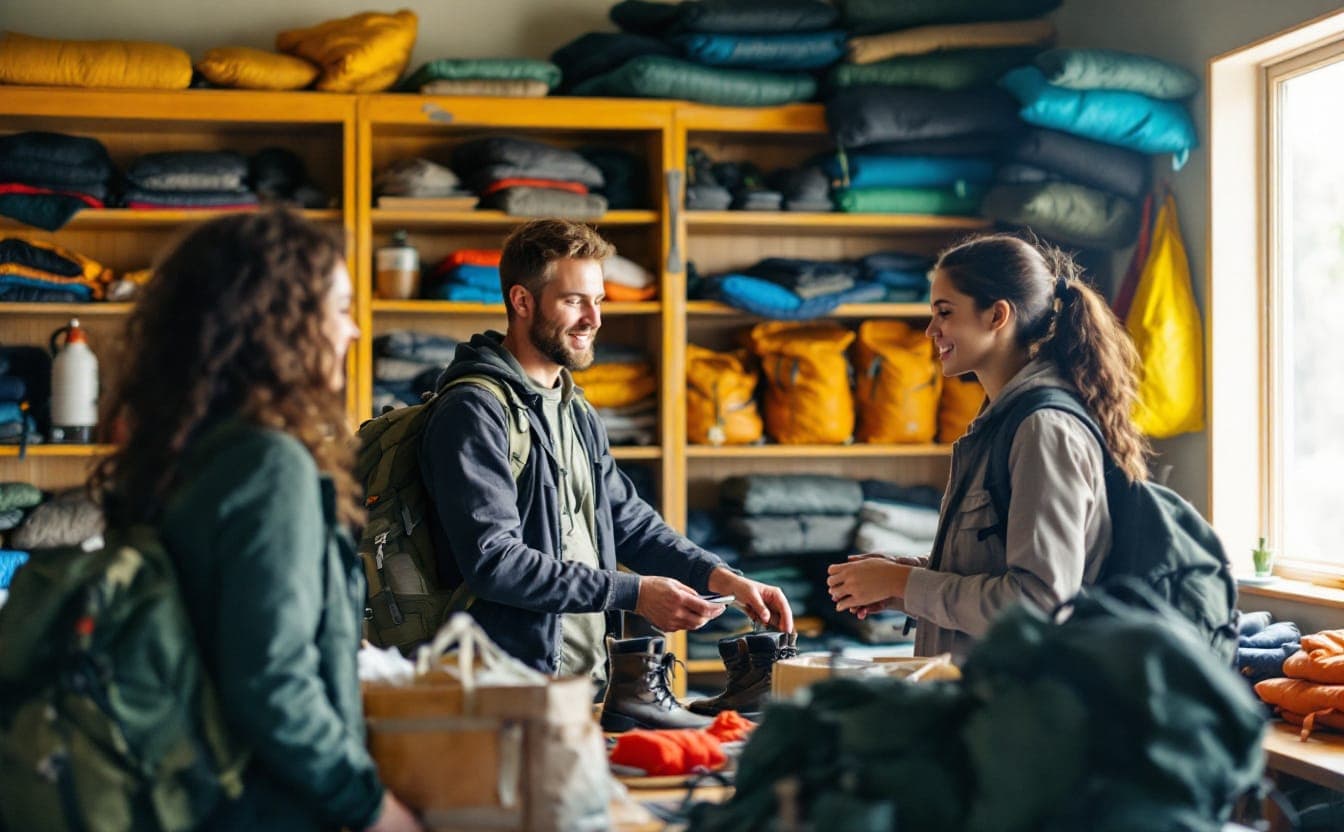
Gear libraries exist to end a different conversation: the one about whether you can afford to try. They lend tents, packs, snowshoes, bikes, binoculars and rain gear the way a public library lends books, usually for free or a small fee. Some are a few shelves in a parks department storage room. Some are full lending programs with online catalogs. All of them work on the same idea, that people should get to find out what they love outdoors before they are asked to pay for it.
Where gear libraries live
Lending programs grow out of whatever institution has the space, the staff and the trust of the people it serves. The four most common hosts each bring different strengths.
| Host | Who usually borrows | Typical stock | Strengths | Common hurdles |
|---|---|---|---|---|
| Public library ("library of things") | Anyone with a library card | Day packs, binoculars, field guides, park passes, sometimes tents and fishing rods | Free, open long hours, existing checkout system, trusted across a whole city | Limited storage, staff unfamiliar with gear care |
| Parks and recreation department | Residents, program participants, summer camps | Snowshoes, kayaks and life jackets, camping kits, bikes | Gear lives near the places it is used; staff can teach | Seasonal staffing, lending tied to programs rather than walk-ins |
| Nonprofit or outdoor club | Youth groups, schools, community organizations | Full group kits for 10 to 20 people | Deep expertise, flexible rules, gear matched to trips | Small budgets, volunteer turnover, hours that depend on one person |
| School or university outdoor program | Students, sometimes staff and community members | Backpacking and climbing gear, bike repair tools | Steady funding and space, trained student staff | Often closed to the wider public |
Public libraries have been lending more than books for a long time. Tool libraries, seed libraries and museum passes paved the way, and park passes followed. Colorado's Check Out Colorado State Parks program, a partnership between the state parks agency and public libraries, lends backpacks that hold a state parks pass alongside binoculars and guidebooks, and several other states have tried similar ideas. A library card is free and already in millions of wallets, which is why library-based lending reaches people that outdoor programs often miss.
How to find one near you
Most gear libraries are small and poorly advertised. A few places to ask:
- Your public library. Search the catalog for "backpack," "binoculars," "park pass" or "snowshoes," or ask at the desk whether there is a "library of things."
- The parks and recreation department. Ask about loaner programs for snowshoes, fishing gear and camping kits, and about life jacket loaner stations at lakes and beaches.
- Outdoor clubs and youth-serving nonprofits. Many lend group kits to schools and community organizations even if they don't lend to individuals.
- Nearby colleges. University outdoor programs sometimes rent to the public at low rates, especially outside the school term.
- State parks and nature centers. Some lend snowshoes or fishing rods on site, which means you never have to transport anything.
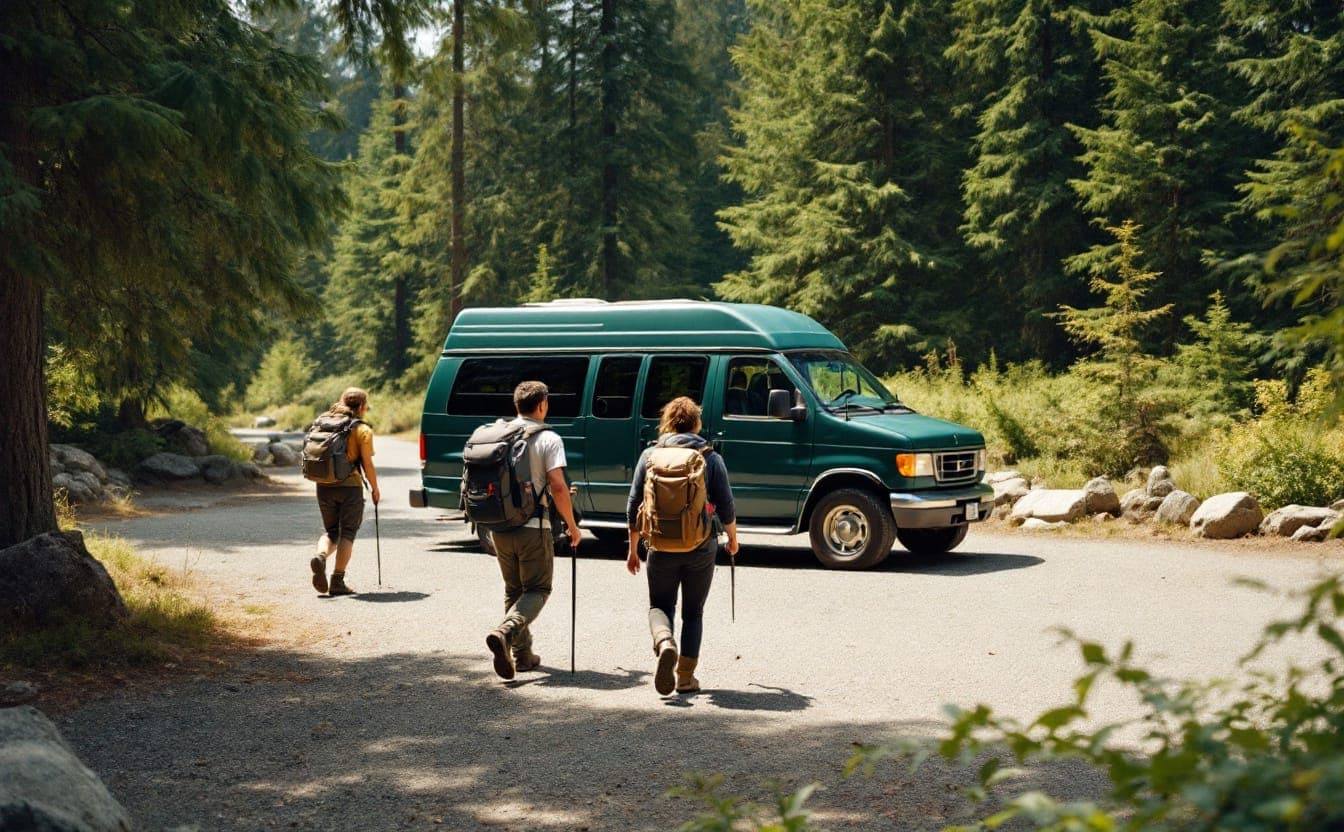
Our earlier piece on transit to trails programs argues that gear should travel with the bus route. If you run a transit program, a lending closet at the pickup point is one of the cheapest additions you can make.
Before you go
 Adventure Medical Kits Ultralight/Watertight .5$31.95 Amazon price, as of Oct 22, 2026, 4:27 PM UTCSee on Amazon
 TrailBuddy aluminum trekking poles$39.91 Amazon price, as of Oct 22, 2026, 4:26 PM UTCSee on Amazon
 Columbia Watertight II rain jacket (men's)$70.00 Amazon price, as of Oct 22, 2026, 4:26 PM UTCSee on Amazon
Product prices and availability are accurate as of the date/time indicated and are subject to change.
Gear links may earn us a commission. As an Amazon Associate I earn from qualifying purchases.
Starting one: nine steps
A gear library is a small operation, but it fails in predictable ways: it fills up with donated junk, it depends on one heroic volunteer, or it lends gear nobody asked for. These steps are in the order that avoids those problems.
- Ask who isn't going outside, and why. Talk to the youth programs, faith groups, refugee resettlement agencies and neighborhood associations near you before you buy anything. If the answer is "no way to get there," gear alone won't fix it. The park access gap has several causes, and lending addresses only one.
- Find a host with space and hours. Storage needs to be dry, secure and open when people can actually come: evenings and weekends, not 10 to 4 on weekdays.
- Decide who can borrow, and keep it simple. A library card or a partner organization's referral works better than credit card deposits, which recreate the cost barrier you're trying to remove.
- Start with complete kits. A "family camping kit" in one bin (tent, pads, bags, stove, lantern) is easier to lend, check and return than forty loose items.
- Accept donations with care. Take only gear you would hand to a friend. Torn tents and broken zippers cost more in volunteer time than they save.
- Track everything. A shared spreadsheet works at first. If you are inside a library, use its checkout system. Record what goes out, what comes back and what condition it's in.
- Write short, kind policies. Loan length, what happens if something breaks, and what happens if it comes back late. Many programs skip late fines entirely and simply follow up.
- Pair gear with skills. A tent is intimidating if you've never pitched one. Short demos, a printed one-page guide in each bin, or a first trip with a guide make borrowed gear get used. The Leave No Trace principles make a good one-page insert.
- Count use, not inventory. How many nights, how many first-timers, how many repeat borrowers. Those numbers make the case to funders.
What to stock first
Overnight basics
Three-season tents for two to four people, sleeping bags, foam or inflatable pads, a simple canister stove, a cook pot and utensils, headlamps. Synthetic sleeping bags are easier to wash and dry than down. Buy pads in a few lengths.
Day-use kits
Day packs, water bottles, rain shells, binoculars, a first-aid kit and a local trail guide. These go out most often and wear out least.
Cold-weather gear
Snowshoes and poles, traction devices for icy sidewalks and trails, warm hats, gloves and insulated jackets. Winter is where lending changes the most lives, because cold-weather gear is expensive and people living on tight budgets rarely risk buying it for a sport they haven't tried.
Bikes
Bikes need a mechanic, a lock, lights and helmets. Some programs give helmets away rather than lend them, since a helmet should be replaced after any crash and its history is hard to know.
Sizes that fit real people
Stock kids' sizes, tall and short sizes, and plus-size jackets and rain pants. Few things say "this isn't for you" faster than gear that won't zip.
What not to lend
Climbing ropes and harnesses, avalanche safety equipment, and anything else where failure can kill should only go out with training and supervision. Never lend fuel. Life jackets are an exception worth making, since loaner stations save lives, but inspect them often.
Liability, plainly
Most people who think about starting a gear library worry about getting sued. The worry is understandable and usually manageable. Talk to the host organization's insurer before lending anything, because many policies already cover lending programs and some need a rider. Use a short borrowing agreement that explains the borrower's responsibility for using gear safely, and have a lawyer or the insurer review it. Keep an inspection log for each item, so you can show it was in good shape when it left. Include basic instructions in every kit. Nothing in this article is legal advice; rules on waivers vary by state.
Upkeep is the real budget
Lending is the easy part. Cleaning, repair and replacement take the time, and programs that ignore them end up with shelves of musty, broken gear.
Tents need to dry completely before storage or they will mildew; set up returned tents in a garage or gym when you can. Sleeping bags need occasional washing in a front-loading machine with a gentle soap, and a liner policy helps. Stoves need a quick test-fire. Zippers and buckles break more than anything else, so keep a repair kit and learn to replace sliders.
Many programs run a monthly "gear night" where volunteers clean, patch and inspect returns. It builds a community of people who know the stock and like being around it. Budget a share of your annual spending for replacement, because even good gear wears out with heavy use. A budget-minded approach applies here too: repair first, replace second, and buy secondhand when the item doesn't involve safety.
What success looks like
The test of a gear library isn't how full the shelves are. It's whether a teenager who borrowed a tent in spring borrows one again in fall, and then goes with friends who never would have gone. Lending lowers the entry cost for people who haven't been outdoors, and it gives families who already go a way to try something new without risk.
If you start one, tell the organizations we profile and the groups near you that run youth and community programs. A gear library that sits unused is a storage room. One that is plugged into the groups already working with first-timers fills up its calendar fast.
Gear links may earn us a commission. As an Amazon Associate I earn from qualifying purchases.
Pack list
- Lepro rechargeable headlamp about 2.7 ozCharges by USB and has a red mode that keeps your night vision.$18.99 Amazon price, as of Oct 22, 2026, 4:26 PM UTCSee on Amazon
- Adventure Medical Kits Ultralight/Watertight .5 about 3.5 ozTrail first aid for one or two people in a waterproof pouch.$31.95 Amazon price, as of Oct 22, 2026, 4:27 PM UTCSee on Amazon
- TrailBuddy aluminum trekking poles about 1.2 lb a pairLever-lock aluminum poles that take some load off the knees on the way down.$39.91 Amazon price, as of Oct 22, 2026, 4:26 PM UTCSee on Amazon
- Muck Boot waterproof bootsPull-on rubber and neoprene boots for flooded trails, wetlands and muddy garden days.Shop at Muck Boot
Product prices and availability are accurate as of the date/time indicated and are subject to change.
Next: try the Hiking Time Calculator or browse the full Pack list.