

Summit 2005: Diverse Partners for Environmental Progress
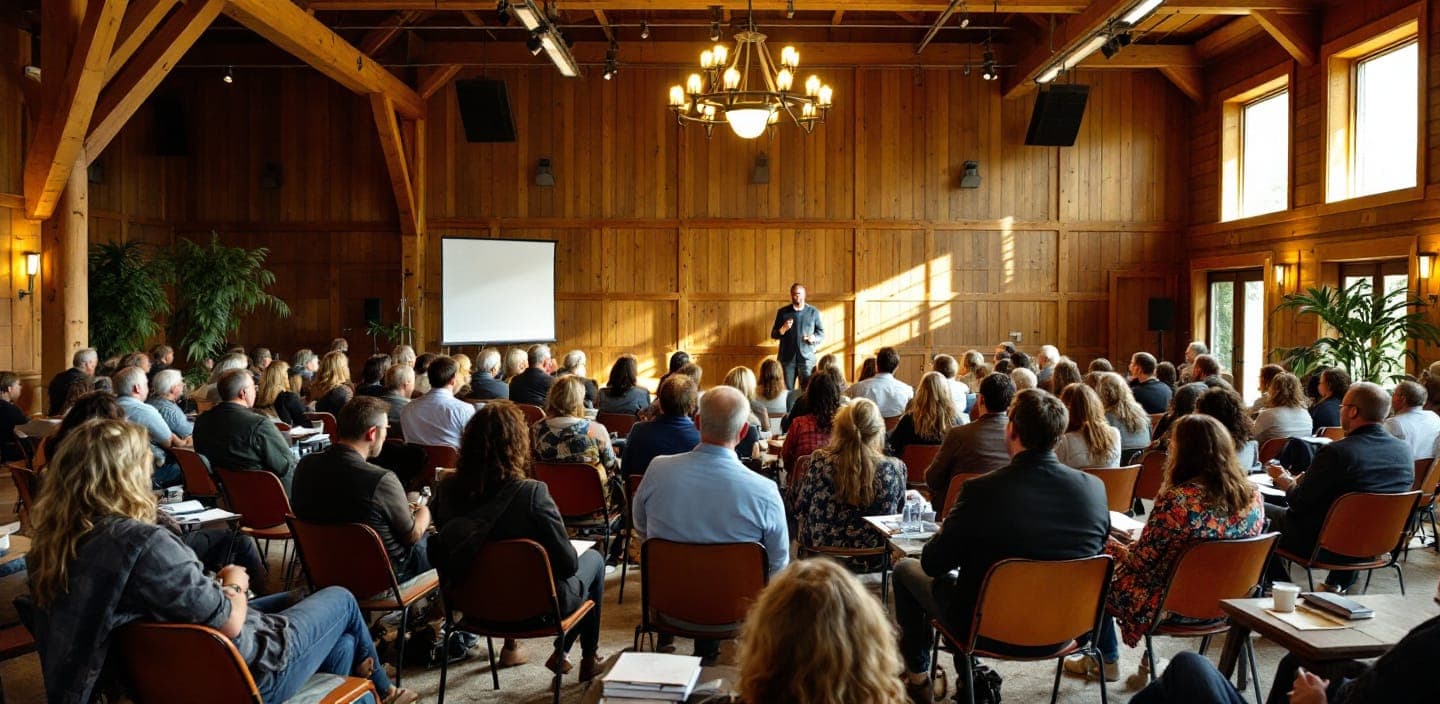
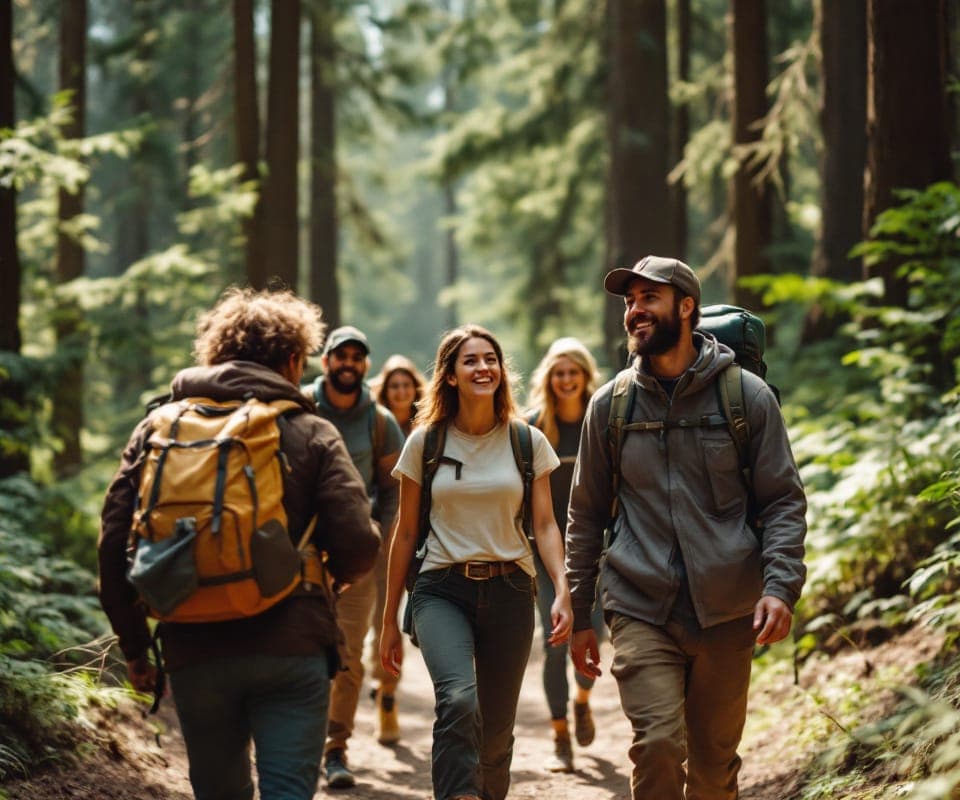
For four days in October 2005, more than 90 people who did not usually share a room met at the Airfield 4-H Center in Wakefield, a small town in southeastern Virginia. Some ran environmental justice groups in neighborhoods next to refineries and waste sites. Some worked for national conservation organizations focused on wilderness and wildlife. Others came from public health, faith-based groups and community organizations. They were there for Summit 2005: Diverse Partners for Environmental Progress. We were not there; this explainer is written by outside observers, based on the published record of the meeting and the wider history around it.
What happened
The summit ran from October 16 to 19, 2005. Its stated aim was for leaders from different parts of the environmental world to work together across racial and other barriers, and to begin repairing misunderstandings that had built up over years between grassroots environmental justice groups and mainstream conservation organizations.
That aim is easy to state and hard to carry out. A gathering like this is less about passing a resolution than about changing how people in different parts of a movement relate to one another, and its success is measured in what happens over the following years rather than in anything decided on the last day.
Who came
The participants came from environmental justice, public health, conservation, faith-based and community organizations. The mix mattered. Environmental justice groups had grown out of civil rights and neighborhood organizing and were mostly led by people of color. Large conservation organizations had grown out of a tradition of protecting scenic and wild places, and their staff and boards were overwhelmingly white. Public health and faith groups could have ties to both, which made them useful bridges.
Why it was needed
The distrust had a history. In 1990, the Southwest Organizing Project and other grassroots leaders sent a letter to the largest national environmental organizations, often called the Group of Ten, criticizing their mostly white staffs and their absence from fights over pollution in communities of color. The next year, the First National People of Color Environmental Leadership Summit adopted the Principles of Environmental Justice, a statement written by the movement itself rather than by national groups.
By 2005 there had been some progress: more conversations, a few partnerships, some staff hired. But the basic pattern remained. Mainstream groups still had few people of color in leadership, and justice groups still often felt their issues were treated as an afterthought. Summit 2005 was an attempt to name that openly and start somewhere better. The landmark studies behind this history are on our reports page.
Support and sponsorship
The Wilderness Society acted as the summit's fiscal sponsor. A fiscal sponsor is an established nonprofit that receives and manages grant money on behalf of a project that does not have its own legal structure, which is common for one-time convenings. Foundation support came from several major funders, including the William and Flora Hewlett Foundation, the Doris Duke Charitable Foundation and the Ford Foundation.
The arrangement says something about the period. A national conservation organization lent its administrative backbone, and large foundations paid for the meeting, but the summit itself was framed as a gathering of partners rather than as any one organization's event. Whether that kind of shared ownership holds up in practice is one of the lessons below.
What came next
The summit did not end in Wakefield. Follow-up regional roundtables were held in Washington, DC, and Oakland, California, with another planned for Albuquerque, New Mexico. The regional format made sense: relationships between a land trust and an environmental justice group are built in a particular city or watershed, not at a national meeting.
A second gathering, Summit 2007, took place in Charlotte, North Carolina, from October 7 to 10, 2007. Holding it in the Southeast, where much of the environmental justice movement began, sent its own message. For more on these gatherings and the summits that came before them, see our page on conferences.
Why cross-movement summits matter
It is fair to ask whether a four-day meeting can change much. On its own, probably not. But cross-movement gatherings do a few things that ordinary work rarely does.
They put people with different theories of change in the same room long enough to understand each other. A conservation director who thinks in acres and a neighborhood organizer who thinks in asthma rates are both working on land and health, but they rarely have time to find that out. A few days together, away from the usual pressures, can produce relationships that later make a joint grant proposal or a shared campaign possible.
They also create a record. A published summary of who attended and what they committed to gives later organizers something to build on, and gives critics something to hold participants to. And they signal to funders that collaboration is possible, which matters because funding structures often push organizations to compete rather than cooperate.
The risk is that a summit becomes a substitute for change rather than a start. The difference usually lies in what happens afterward.
What has changed
Two decades later, some things look different.
There is better data. In 2014, Dorceta Taylor's study for Green 2.0 measured what Summit 2005 participants could only describe: people of color held no more than about 16 percent of staff and board positions in the environmental institutions surveyed. Since then, more organizations have published their demographics.
The outdoor access movement has grown. Groups such as Outdoor Afro, which began in 2009, and Latino Outdoors, active since 2013, have built large volunteer networks that bring communities of color outdoors on their own terms. They did not exist in their current form in 2005.
Land return is on the agenda. Transfers of land to tribes, sometimes with the help of land trusts, have moved from rare to regular news.
Federal support rose and fell. Federal environmental-justice programs grew in the early 2020s and were cut back sharply in 2025. Many partnerships that depended on federal grants had to find other footing.
Other things have not changed much. Leadership of the largest conservation organizations remains less diverse than the country. Partnerships between large and small groups are still often unequal in money and power. And the work of building trust still falls disproportionately on a small number of people of color in mainstream organizations.
Lessons for convening today
For anyone thinking about bringing different parts of the environmental movement together, the summit's history suggests a few things.
- Name the history. Gatherings that skip past old grievances tend to reproduce them. Give time to what went wrong before planning what comes next.
- Share ownership. A meeting hosted by the biggest organization in the room will feel like that organization's meeting. Rotate hosts, share planning, and be clear about who decides.
- Pay for participation. Grassroots leaders often attend on their own time. Cover travel up front and pay honoraria.
- Follow up locally. The regional roundtables after 2005 reflected a sound instinct. National meetings start relationships; local work sustains them.
- Expect a long timeline. Repairing trust takes years. Plan for a series of meetings, not a single event, and fund the follow-up before the first meeting starts.
- Measure something. Agree on a few concrete changes, such as hires, partnerships or shared projects, and check on them at the next gathering.
The participants in Wakefield could not fix the movement in four days, and they did not claim to. What they did was put people who rarely talked into a room and give them reasons to keep talking. That remains a reasonable goal for any gathering.