What to Wear Hiking: Layers, Shoes and Socks for Any Season
On a dry 60-degree Saturday at a city park, the most common hiking outfit is jeans, a cotton hoodie and whatever sneakers were by the door. For a flat two-mile loop, that works. The trouble starts when the same outfit goes up a mountain, into a drizzle or past sunset, because cotton soaks up water and then holds cold against your skin for hours.
Here is what to wear hiking for most three-season day trips, head to toe:
- A shirt that dries fast (polyester, nylon or merino wool), not cotton.
- Pants or shorts that move and dry quickly; leggings and athletic pants count.
- A warm layer you can pull on at breaks: a fleece, a wool sweater or a light puffy.
- A rain jacket that also blocks wind.
- Shoes with real tread, broken in, and wool or synthetic socks.
- A brimmed hat and sunglasses, plus a warm hat and thin gloves from fall through spring.
You don't need anything with a technical label to follow that list. The rest of this guide explains why each piece is there, so you can swap in what you already own.
The three-layer idea
Outdoor clothing is usually explained as three layers, each with one job. You won't wear all three at once on most days; the point is to add and remove them as the trail changes, so you never get soaked in sweat on the climb or chilled at the top.
| Layer | Its job | Good fabrics | Free or low-cost version |
|---|---|---|---|
| Base | Move sweat off your skin so it can dry | Polyester, nylon, merino wool, blends | Gym shirts and running tights you already own |
| Mid | Trap warm air when you stop or the wind picks up | Fleece, wool, down or synthetic puffy | A thrifted wool sweater or polyester fleece |
| Shell | Keep rain and wind out | Waterproof-breathable jacket; wind shell | A borrowed rain jacket; a poncho in a pinch |
A practical rule: start the hike a little cold. If you're comfortable standing at the trailhead, you'll be sweating ten minutes up the first hill. Take the mid layer off before you climb and put it back on the moment you stop, before you feel chilled.
Down is the warmest insulation for its weight, but it clumps and stops insulating when it gets wet. Synthetic insulation and fleece keep some of their warmth when damp and dry faster, which makes them the safer choice in rainy regions.
Why cotton fails when wet
Cotton absorbs a lot of water and dries slowly. When it's wet, the air pockets that make a sweatshirt warm fill with water, and the fabric pulls heat from your body as it dries. Rocky Mountain National Park's hypothermia guidance puts it plainly: avoid clothing that absorbs and holds water, like cotton and jeans, and dress in wicking layers you can add and remove.
Hypothermia doesn't need freezing weather. A windy 50-degree afternoon, a sweaty shirt and a passing shower are enough, especially once you stop moving. Shivering, clumsy hands and slurred or confused speech are warning signs; get the person into dry layers and out of the wind, and call 911 if they get worse.
There's one honest exception. In hot, dry desert air, some hikers wear a loose cotton shirt on purpose, because it stays damp and cools them as it slowly dries. That trade reverses at sunset or in a storm, so even desert hikers carry a synthetic or wool layer for later.
Shoes, socks and blisters
Which shoes
Your feet decide more about a hike than any jacket. There are four broad choices:
Partner links may earn us a commission.
- Trail runners: light, flexible, quick to dry, and comfortable out of the box. Many long-distance hikers wear nothing else. They offer less protection from sharp rocks and less ankle coverage.
- Hiking shoes: low-cut like a sneaker but stiffer underfoot, with a grippier sole. A good middle ground for rocky day hikes.
- Mid-height boots: more ankle coverage and stability with a heavier pack or on loose, rocky ground. Some people find they feel steadier in them, though no boot prevents every sprain.
- Gym sneakers: fine on paved paths and smooth gravel. On wet rock and mud, a flat tread slips.
- Tall rubber boots: for flooded trails, marshes and spring mud, a pull-on waterproof boot like those from Muck Boot keeps feet dry where trail shoes can't. They run warm and heavy, so save them for short, wet walks.
Waterproof shoes keep out dew and puddles, but once water comes over the top they dry slowly, and in summer heat they can be sweaty. Mesh shoes get wet and then dry while you walk. Neither is wrong; pick for the conditions you see most.
Fit matters more than brand. Shop in the afternoon, when feet are slightly swollen, and wear the socks you'll hike in. Leave about a thumb's width in front of your longest toe, so your toes don't jam on the way down. Wear new boots around the neighborhood for a week before a long hike.
Socks
Socks are the smallest upgrade in this guide with the biggest payoff. Cotton socks hold sweat against the skin, and damp, soft skin is where blisters start. Wool and synthetic hiking socks wick moisture, cushion the ball and heel, and keep their shape. A pair of merino-blend hiking socks works well in most seasons; merino resists odor, so one pair can handle a long day. On wet days or long hikes, change into a dry pair at lunch.
Stopping blisters before they start
A blister starts as a hot spot, a warm, rubbing patch. Stop the moment you feel it, not at the next viewpoint. Dry the skin, then cover the spot with a blister bandage, moleskin or athletic tape. Trim toenails a day or two before the hike. If your heel slips in a boot, try a heel-lock lacing pattern, which you'll find in any lacing guide. Gaiters, short fabric cuffs over the shoe, keep gravel and snow out on loose trails.
Dressing for the season
| Season | What changes | Add or swap |
|---|---|---|
| Spring | Mud, snowmelt, cold mornings and warm afternoons | Waterproof shoes or gaiters, a warm layer for the start, rain shell |
| Summer | Sun, heat, afternoon thunderstorms in the mountains, bugs | Brimmed hat, loose long sleeves in a light color, sunglasses, bug protection |
| Fall | Big temperature swings, early dark, hunting seasons | Warm hat and gloves, an extra layer, blaze orange where hunting is allowed |
| Winter | Cold, wind, ice, short days | Insulated jacket, waterproof boots, traction devices, a spare dry base layer |
In fall, check the state wildlife agency's hunting calendar for the land you're visiting. A blaze orange hat or vest costs little and makes you visible from a distance. In winter, the goal is to avoid sweating: unzip and remove layers on the climb, then bundle up the moment you stop.
Sun and bugs
Clothing is the most reliable sunscreen because it doesn't wear off. A wide-brimmed hat, sunglasses and a loose, light-colored long-sleeve shirt make a big difference on exposed trails. Some outdoor shirts carry a UPF number, which tells you how much ultraviolet light gets through; a tightly woven ordinary shirt also blocks a good share. For hot days, check the heat index before you go with our heat index calculator, and pick shade and an early start when it's high.
Ticks and mosquitoes are where clothing choices matter for your health. The CDC recommends treating boots, clothing and gear with permethrin, which keeps working through several washes, and using an EPA-registered repellent on skin. The EPA's repellent finder helps match active ingredients such as DEET, picaridin or oil of lemon eucalyptus to how long you'll be out. In tick country, tuck pants into socks, wear light colors so ticks show up, and check yourself, kids and dogs afterward. Tumbling dry hiking clothes in a hot dryer for 10 minutes kills ticks that hitched a ride.
Modest and cultural dress on the trail
Nothing about hiking requires shorts and a tank top. Long sleeves and long pants already protect against sun, scrapes and ticks, so modest dress and good trail clothing overlap more than ads suggest. The fabric matters more than the cut.
Practical options that work:
- Loose long-sleeve tops and tunics in polyester, nylon or merino, which breathe and dry fast.
- Hiking skirts and skorts, or a long skirt over leggings, in quick-drying fabric. Skirts are surprisingly good on hot climbs.
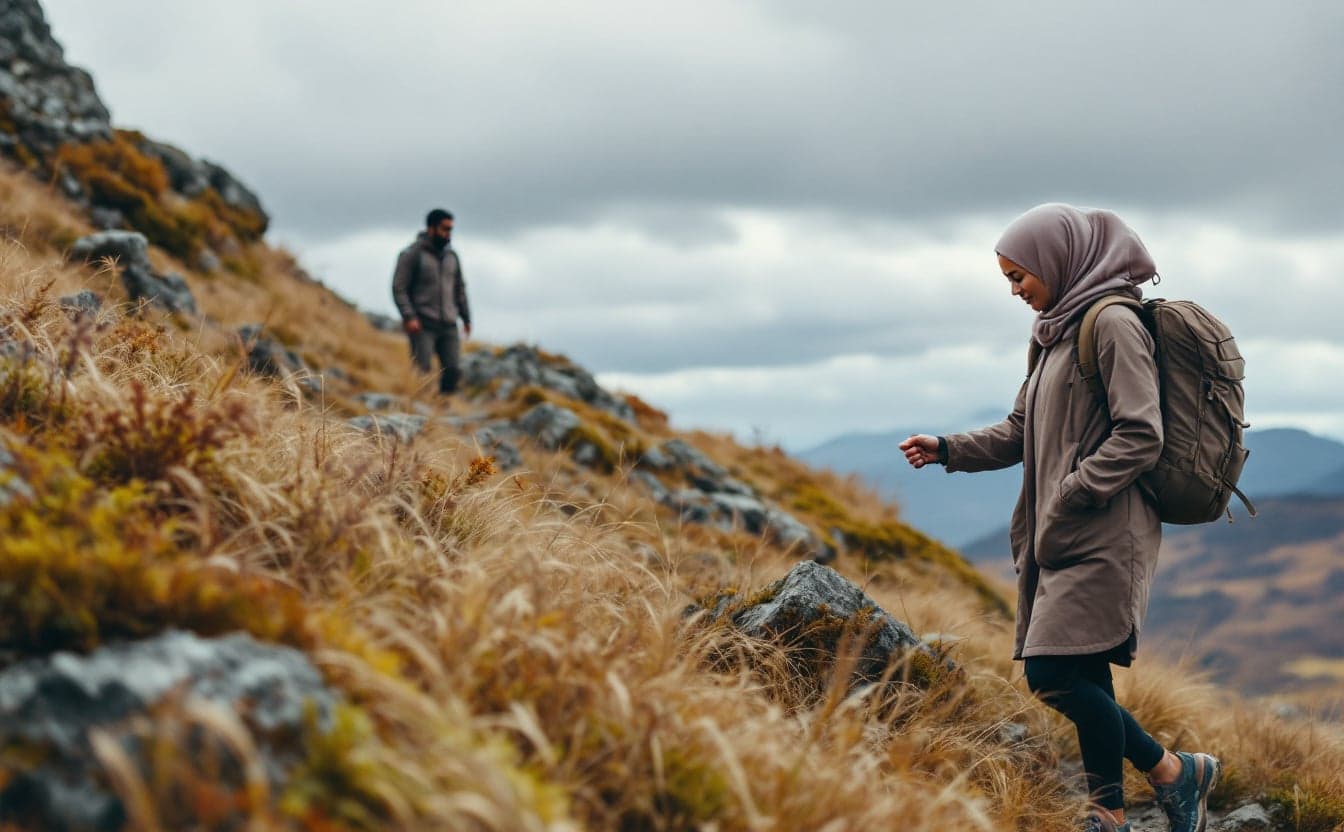
- Sport hijabs and head coverings made from wicking fabric, which stay cooler than cotton and dry quickly after rain or a stream crossing. Bring a spare for long days.
- A light, breathable scarf that doubles as sun protection for the neck.
If you wear long, loose layers, check that hems won't catch on rocks or trip you on steep steps. A belt or a quick knot solves most of that.
Plus-size, tall, petite and adaptive fit
Extended sizing in outdoor clothing has improved, and several large outdoor brands now carry plus and tall sizes, though often online only. Men's big-and-tall lines are another source, and secondhand shops turn up more sizes than a single store stocks.
A few fit notes that help at any size:
- Size your rain jacket to fit over your warm layer, with room to lift your arms.
- Check that a jacket hem won't ride up under a pack's hip belt.
- Rain pants with full-length side zips are far easier to pull on over shoes.
- Long-inseam shorts, bike shorts under a skirt or an anti-chafe balm prevent thigh chafing on long days.
The shell in our list is a men's cut; Columbia also sells women's and plus-size versions of its rain jackets.
For hikers who use wheelchairs, walkers or prosthetics, the needs shift. Anyone who sits while the group walks will get colder sooner, so bring a warmer layer than everyone else and a blanket or insulated wrap for the lap and legs. Side-zip and magnetic-closure pants make changes easier. Avoid heavy seams, rivets and back pockets where you sit for hours. Wheeling gloves protect hands on long pushes, and prosthetic users often pack extra liner socks for sweat. Adaptive clothing lines from mainstream retailers are a growing source of these features.
Thrift, swap and borrow
Some of the best hiking clothes cost a few dollars. Thrift stores are full of polyester athletic shirts, fleece jackets and wool sweaters; check the fiber tag inside the collar or seam. Military surplus stores sell wool pants and liners. Local swap meets and Buy Nothing groups trade outgrown kids' rain gear constantly.
Rain shells and winter jackets are among the things gear libraries lend most often, along with snowshoes and packs. Our guide to gear libraries explains where they are and how to borrow. For the few pieces worth buying new, socks come first, then a rain jacket.
A lightweight rain jacket that packs small belongs in the pack on every hike, even under blue skies.
Pack list
- Muck Boot waterproof bootsPull-on rubber and neoprene boots for flooded trails, wetlands and muddy garden days.Shop at Muck Boot
A head-to-toe check before you leave
Run through this at the door. Head: brimmed hat, plus a warm hat if it's cool. Eyes: sunglasses. Body: a fast-drying shirt, a warm layer in the pack, a rain shell on top or within reach. Legs: pants or shorts you can climb in, rain pants if the forecast says so. Feet: broken-in shoes, wool or synthetic socks, a dry spare pair in a bag. Skin: sunscreen and repellent applied before you start.
Then check the forecast at the trailhead's elevation, not just at home. With the outfit sorted, the next step is the pack itself; our day hike packing list covers water, food and the Ten Essentials.
Next: try the Hiking Time Calculator or browse the full Pack list.