Who Is the Land For? Land Trusts and the Turn Toward Community Conservation
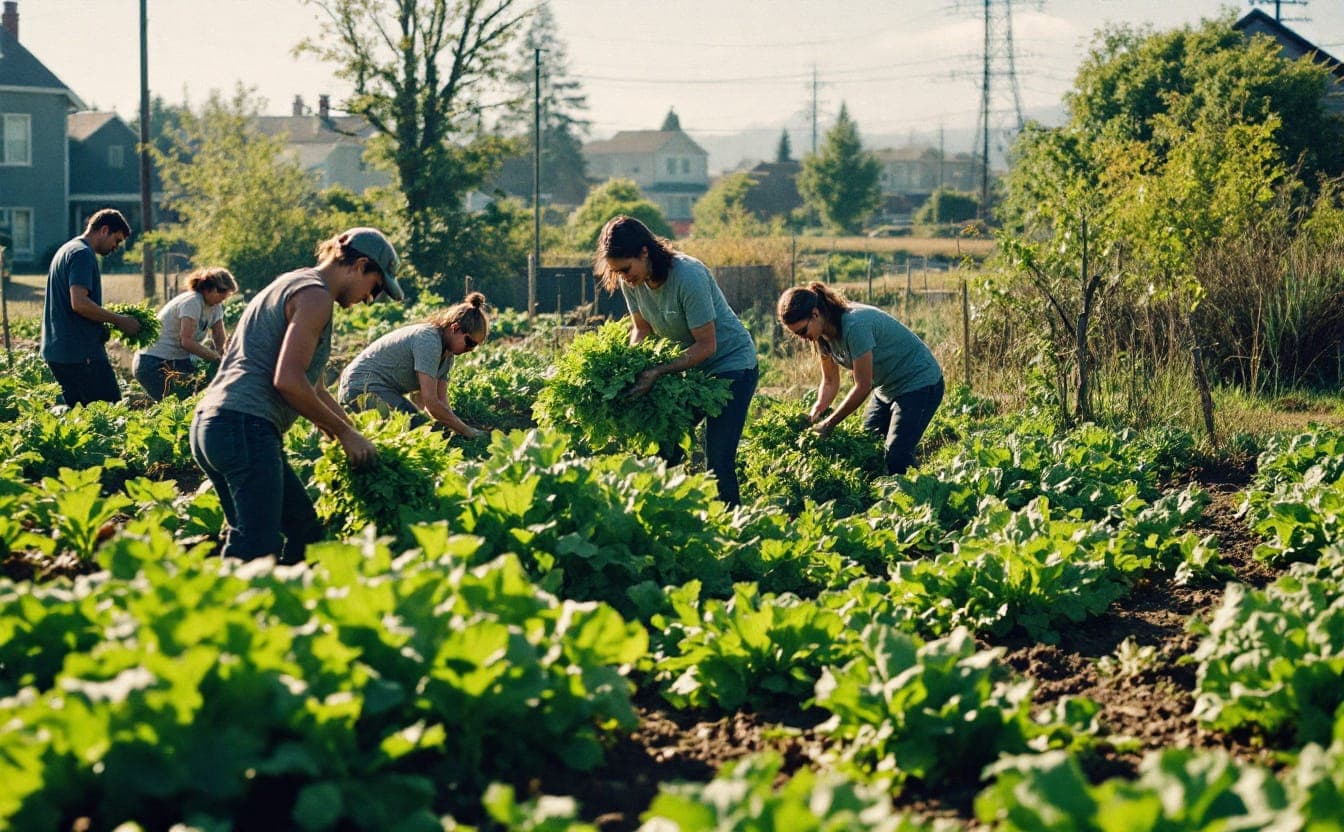
A half-acre community garden on a city corner can be harder to protect than a thousand acres of ridgeline. The ridgeline usually comes with a single owner who wants to conserve it, a tax deduction that helps pay for the deal, and a conservation purpose any land trust staffer could write up in an afternoon. The garden comes with forty plot holders, none of whom own the ground, an owner (often the city, sometimes a private holder) who may be waiting for the market to turn, and a parcel worth far more as housing than as tomatoes. For most of the land trust movement's history, the ridgeline was the obvious project. A growing number of land trusts are asking whether that should change.
The idea goes by several names: community conservation, community-centered conservation, conservation for people. The common thread is a shift in the question a land trust asks before it takes on a project. The old question was mostly about the land. Is it ecologically important, is it threatened, is the owner willing? The newer question adds a second half: who will benefit from protecting this place, and did those people have a say in it?
How the traditional model left people out
None of this is an argument against protecting farms, forests and wetlands. Conservation easements on working land have kept enormous areas out of development, protected drinking water and wildlife corridors, and helped families hold on to farms they would otherwise have sold. The trouble is in what the model rewards.
Easement deals depend on landowners who have land to protect and enough income to benefit from a charitable deduction. Many easements protect private land with no public access at all, which the law allows, since habitat and open space count as conservation purposes on their own. Success is usually reported in acres. Put those pieces together and a land trust can conserve a great deal of land while the people in the nearest city never set foot on any of it, and while the neighborhoods with the least green space see little of the movement's work.
That pattern has been discussed inside the field for years. Our brief on diversifying the conservation movement covers the history and the case for change. Felicia Marcus took up the question of why diversity matters for land conservation in a 2007 essay for a Yale collection on diversity and the environmental movement, and our explainer on her essay walks through the argument. The practical case is simple enough. A movement that depends on ballot measures, public funding and public goodwill needs a public that sees itself in the work.
What community conservation looks like in practice
Community conservation is less a single program than a set of project types that land trusts have historically been slow to take on. Five come up again and again.
Gardens and farms that outlast their leases
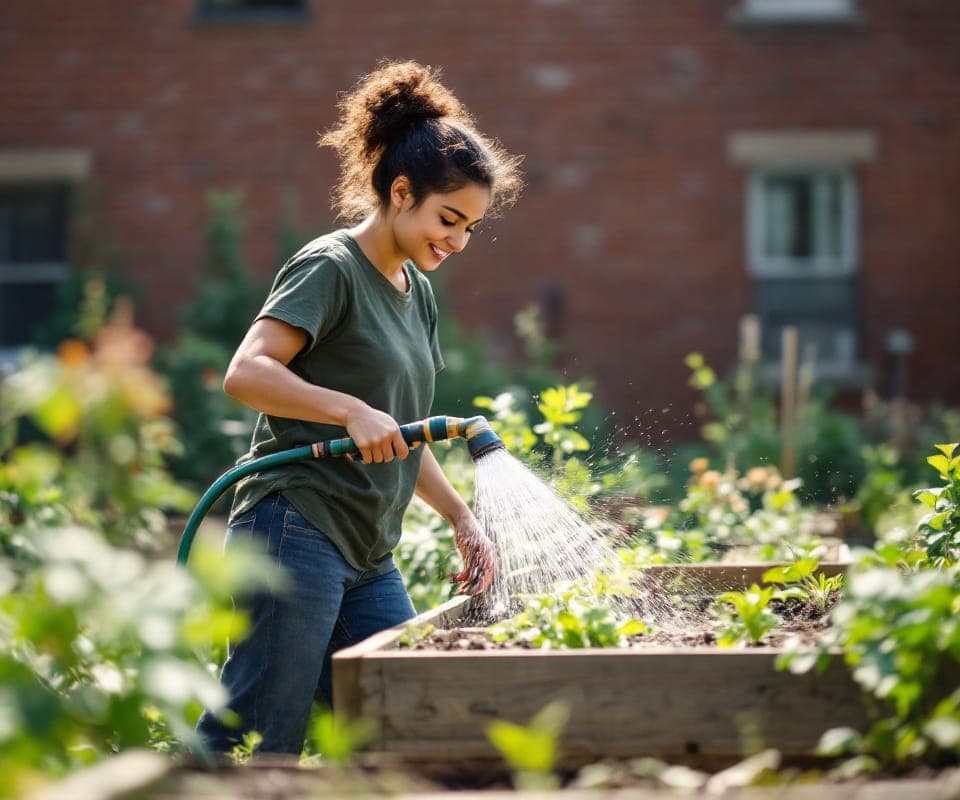
Community gardens are often built on vacant lots that gardeners do not own. When land values rise, the lots get sold, and years of soil building and neighborliness disappear with them. A few land trusts exist specifically to prevent that. Philadelphia's Neighborhood Gardens Trust holds land so community gardens can stay where they are. Chicago's NeighborSpace does the same for gardens across that city. Conventional land trusts can play a similar role by buying a garden lot, holding an easement on it, or helping gardeners form an organization that can own it.
Urban farms raise the same questions with an added layer, because a farm is also a business. Protecting the land works best when the farmers themselves have secure tenure (a long lease or ownership) and a say in how the land is managed.
Parks where there are none
Some neighborhoods have several parks within walking distance. Others, often lower-income neighborhoods and communities of color, have very few. Trust for Public Land has built much of its recent work around that gap, including a national campaign, run with partner organizations, to put a park within a ten-minute walk of everyone in American cities. Local land trusts can contribute on a smaller scale: acquiring a lot and transferring it to a parks department, protecting a creek corridor that could become a trail, or working with a school district to open a schoolyard to the neighborhood on weekends.
Near-urban land people can reach
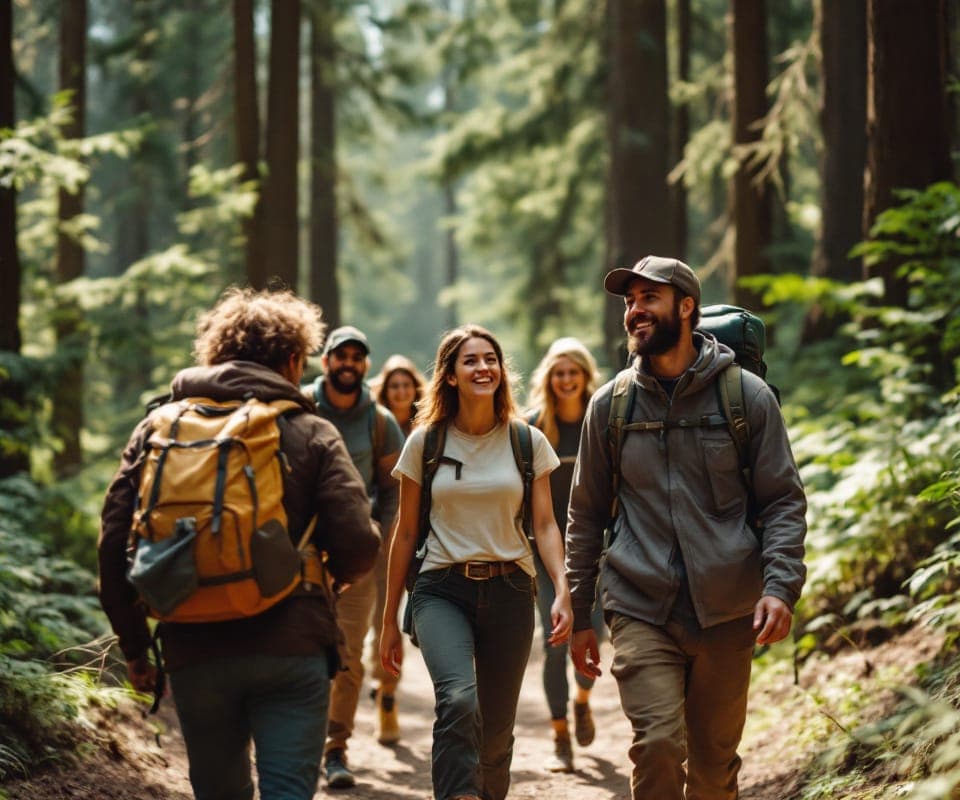
A forest on the edge of a metro area can be valuable habitat and also a place where city residents walk, fish and teach their kids the names of trees, provided they can get there. Community-minded projects ask practical questions early. Is there a bus stop within reach? Is parking free? Are signs in the languages people in the area speak? Does the trailhead feel welcoming to someone who has never hiked before? Answers to those questions shape who uses a preserve far more than its brochure does.
Partnerships with tribes
Land trusts across the country are working with tribal nations on agreements for gathering and ceremony, on shared management of preserves and, in some cases, on returning land outright. These arrangements come with their own vocabulary and legal questions. For a land trust thinking about community conservation, the main point is that tribes are not one more stakeholder group to consult. They are governments with their own relationships to the land, often relationships far older than any deed in the land trust's files, and the most respectful projects start from that.
Community groups as decision-makers
The deepest version of community conservation changes who decides. Some land trusts now develop projects jointly with neighborhood associations, congregations, immigrant organizations and youth groups. Some pair with community land trusts, the housing-focused model in which a nonprofit holds land so the homes on it stay permanently affordable. In Boston, Dudley Neighbors, the community land trust that grew out of the Dudley Street Neighborhood Initiative, has kept urban agriculture alongside affordable housing on the land it holds. The pairing makes sense. In a hot market, the threat to a garden and the threat to a family's apartment often come from the same rising land values.
Before you go
 Sibley field guide, western North America$13.48 Amazon price, as of Oct 22, 2026, 4:26 PM UTCSee on Amazon
 Lepro rechargeable headlamp$18.99 Amazon price, as of Oct 22, 2026, 4:26 PM UTCSee on Amazon
 Gathering Moss, by Robin Wall Kimmerer$15.65 Amazon price, as of Oct 22, 2026, 4:26 PM UTCSee on Amazon
Product prices and availability are accurate as of the date/time indicated and are subject to change.
Gear links may earn us a commission. As an Amazon Associate I earn from qualifying purchases.
Measuring public benefit
If acres are not the only measure, what should a land trust count? Federal tax law already offers a starting point. Among the conservation purposes the Internal Revenue Code recognizes for a deductible easement is preserving land for outdoor recreation by, or the education of, the general public. Public benefit has always been part of the legal rationale for conservation. It has just rarely been measured with much care.
Land trusts experimenting with community measures tend to track some mix of the following:
- How many people live within a short walk of the protected land, compared with the area's existing park access
- Who actually uses the site, gathered through counts, surveys or structured conversations, and whether use reflects the surrounding neighborhood
- How residents were involved in choosing and designing the project, and whether they hold any formal role in its management
- Programs on the land, such as school visits, volunteer days and gardening workshops, and who attends them
- Local environmental benefits like shade, stormwater absorption and flood storage
- Food grown and distributed, for gardens and farms
Each of these takes time and money to collect. A small land trust cannot survey every visitor, and it should not pretend that a few good stories add up to data. A sensible approach is to choose two or three measures that match the project's purpose and track them the same way every year.
There are trade-offs to face as well. Small urban parcels cost more per acre and take more stewardship time than a large easement on a ranch. Liability and maintenance demands are heavier on land the public uses every day. And new parks can raise nearby property values in ways that push out the residents they were meant to serve. Researchers call this green gentrification, and it is a reason to pair park projects with housing partners and anti-displacement work rather than assume greening is automatically good for the people already living there.
The national push
The Land Trust Alliance, the national organization that supports land trusts and publishes the standards and practices most of them follow, has spent recent years encouraging its members to take community conservation seriously. In broad terms, that has meant urging land trusts to protect land with and for the people who live nearby, to look at who has been left out of conservation's benefits, and to treat relationships with communities as core work rather than outreach. The theme has run through sessions at the Alliance's national Rally conference, through peer learning among member organizations, and through the way the Alliance describes what conservation is for.
National encouragement only goes so far. Most land trusts are small, many run by a handful of staff or entirely by volunteers, and they answer to local boards and donors. Change tends to happen one organization at a time, often because a board member or staff person pushes for a project that doesn't fit the usual mold and the organization learns from doing it.
Where a land trust can begin
Start with a map. Overlay your service area with park access, household income, and race and ethnicity data from the Census Bureau, then mark where your protected lands sit. The gaps are usually obvious and sometimes uncomfortable to look at.
Then go and listen before you have a project to pitch. Community groups can tell the difference between an organization that wants their ideas and one that wants their signature on a grant application. Ask what land matters to them and why. The answer may be a garden, a riverbank where people fish, a vacant lot kids already use as a ball field, or a neglected cemetery.
Budget honestly for stewardship. Small, heavily used sites need regular attention: mowing, trash pickup, repairs, programs. A project that can't be cared for will cost more community trust than one that never happened.
Think hard about who should hold title. Sometimes the land trust is the right owner. Sometimes a community organization, a city or a tribe is, and the land trust's best role is to raise the money, hold an easement if one is wanted, and step back.
Look at your own board and staff. The communities you hope to serve should be represented among the people choosing projects. That is slow work, but projects shaped by people who know the neighborhood tend to fare better over the decades a conservation commitment is supposed to last.
For examples of how other organizations have structured this work, our page on community conservation and other access initiatives collects models worth studying. None of them is a template to copy. What they share is a habit of spending as much time on relationships as on deeds and easements, and of counting the people who use the land alongside the acres it covers.
Gear links may earn us a commission. As an Amazon Associate I earn from qualifying purchases.
Pack list for a field day
- Lepro rechargeable headlamp about 2.7 ozCharges by USB and has a red mode that keeps your night vision.$18.99 Amazon price, as of Oct 22, 2026, 4:26 PM UTCSee on Amazon
- Gathering Moss, by Robin Wall KimmererShort essays on mosses that train you to notice the small life along any trail or sidewalk.$15.65 Amazon price, as of Oct 22, 2026, 4:26 PM UTCSee on Amazon
- Celestron Nature DX 8x42 about 1.4 lbA widely recommended first pair: waterproof, with a close focus for birds at the feeder.$148.97 Amazon price, as of Oct 22, 2026, 4:26 PM UTCSee on Amazon
- Muck Boot waterproof bootsPull-on rubber and neoprene boots for flooded trails, wetlands and muddy garden days.Shop at Muck Boot
Product prices and availability are accurate as of the date/time indicated and are subject to change.
Next: browse the full Pack list.